

Cheng Shiu University Hosts “Pazurung Indigenous Week” Showcasing Paiwan Cultural Heritage and Creative Career Achievements
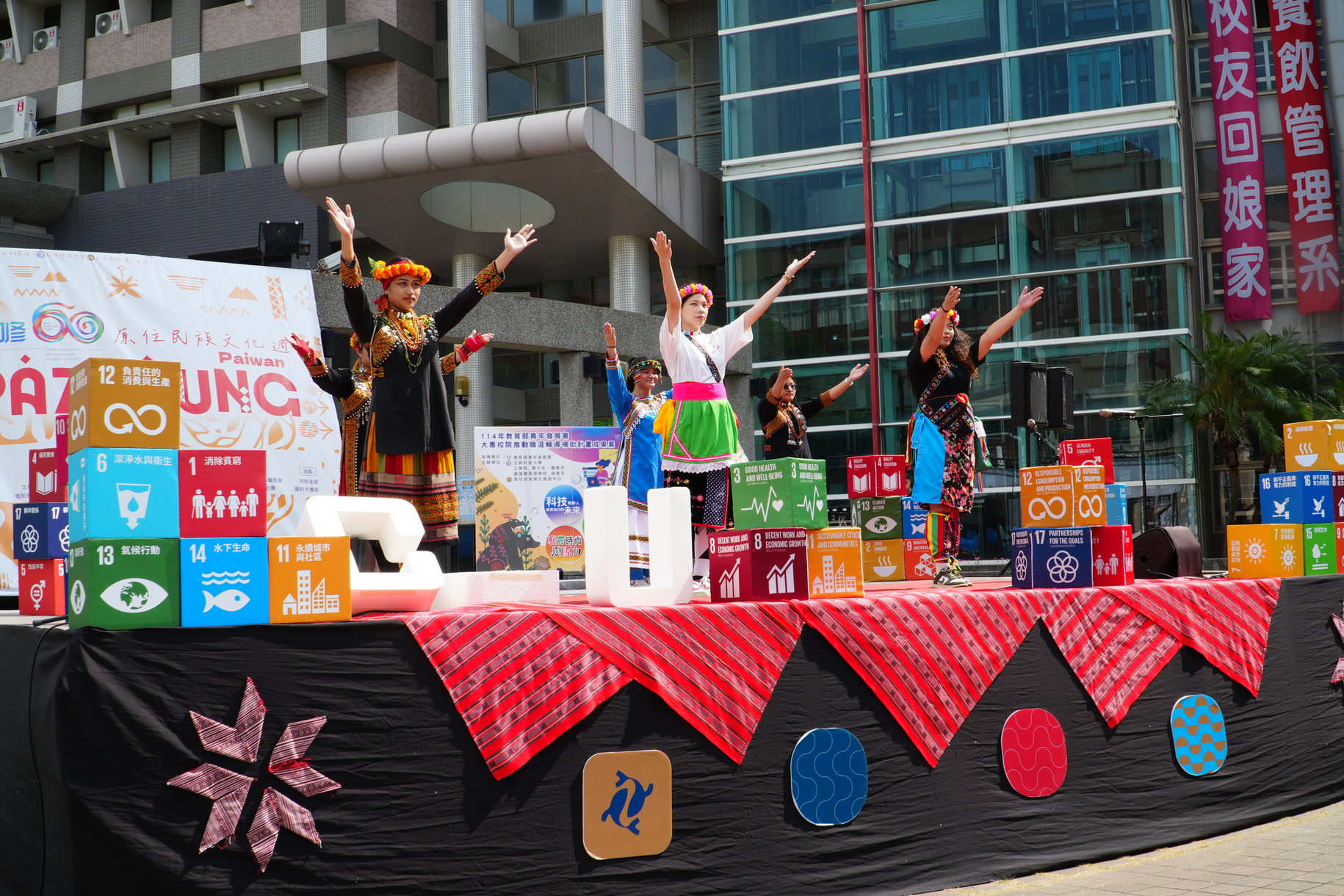
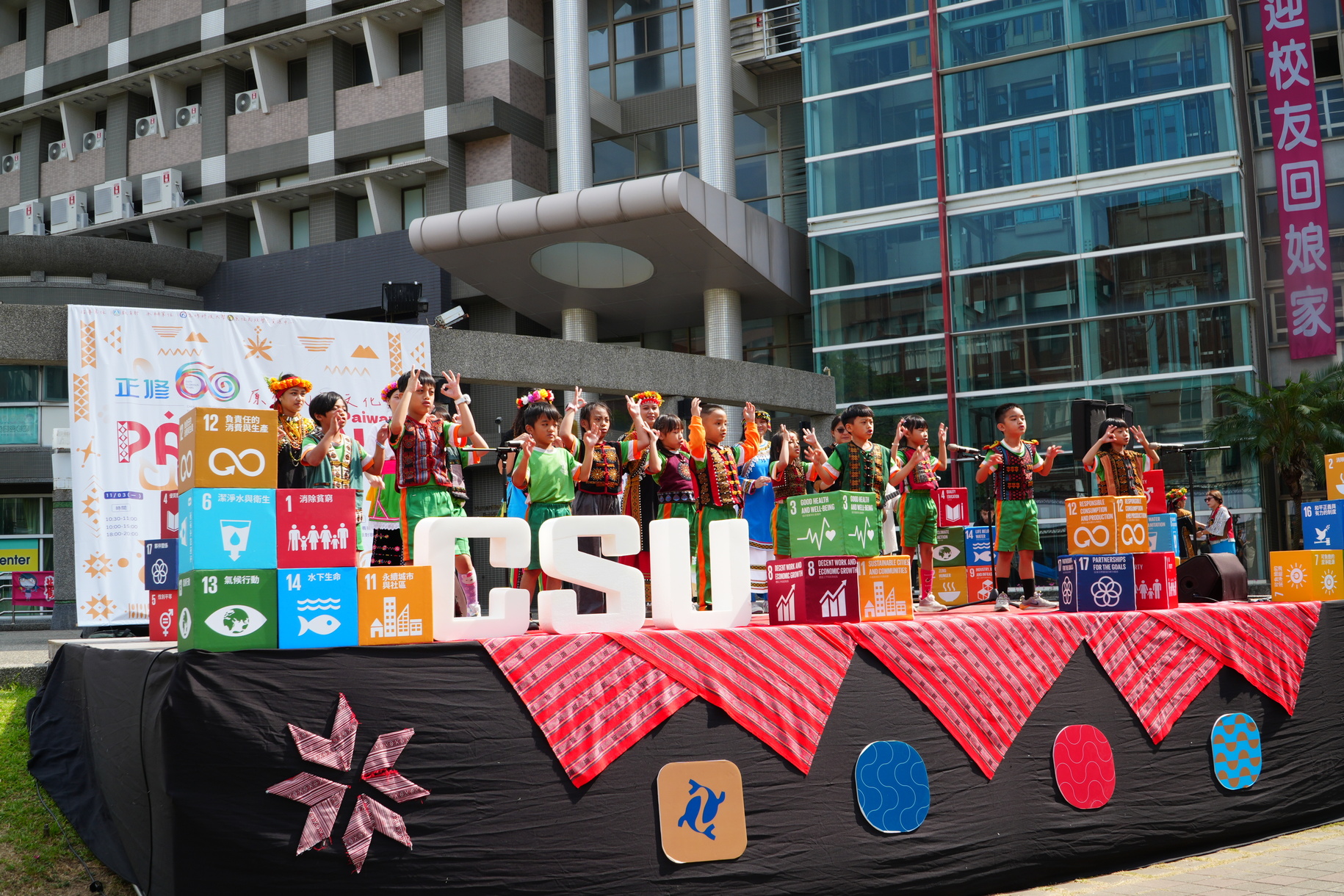
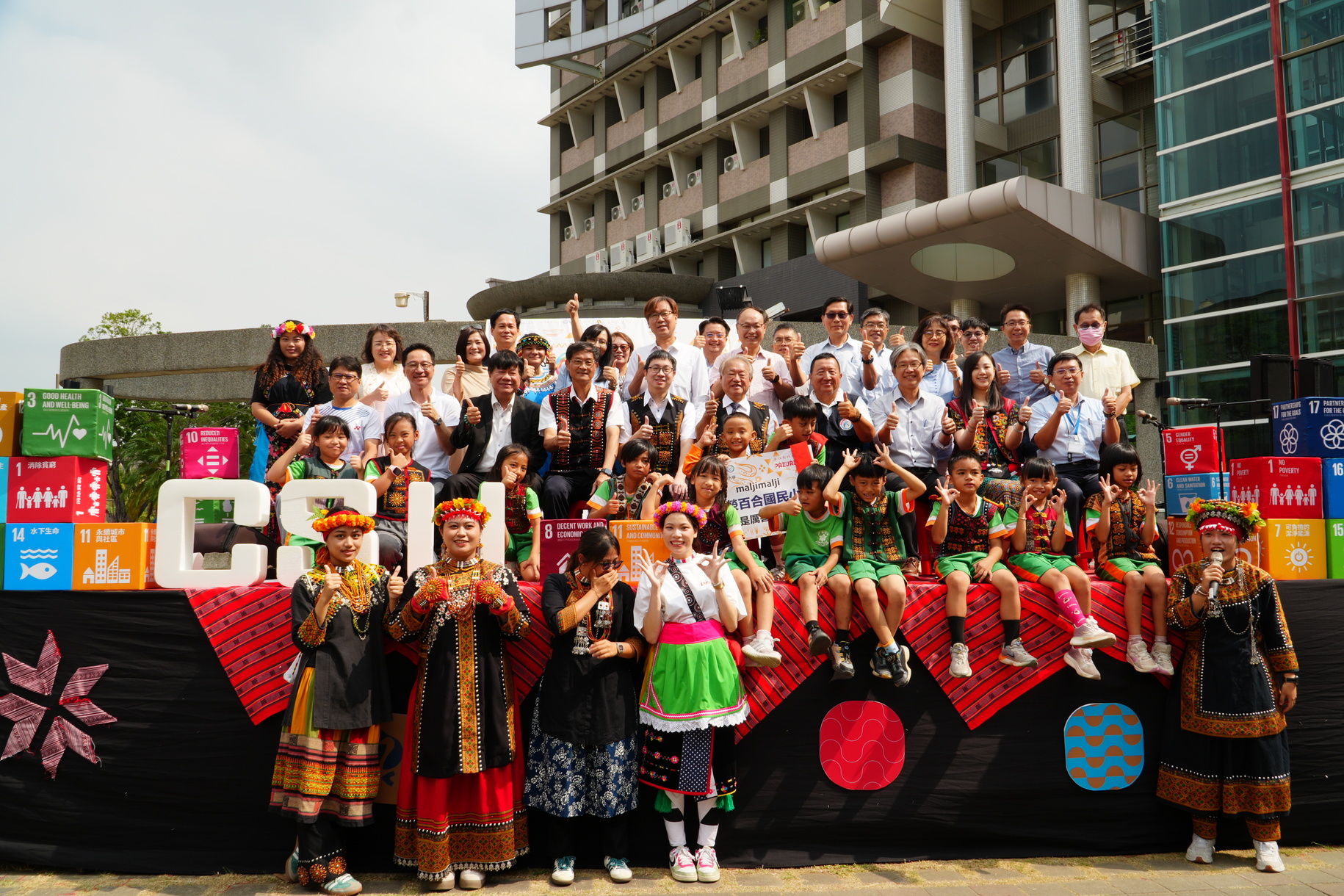
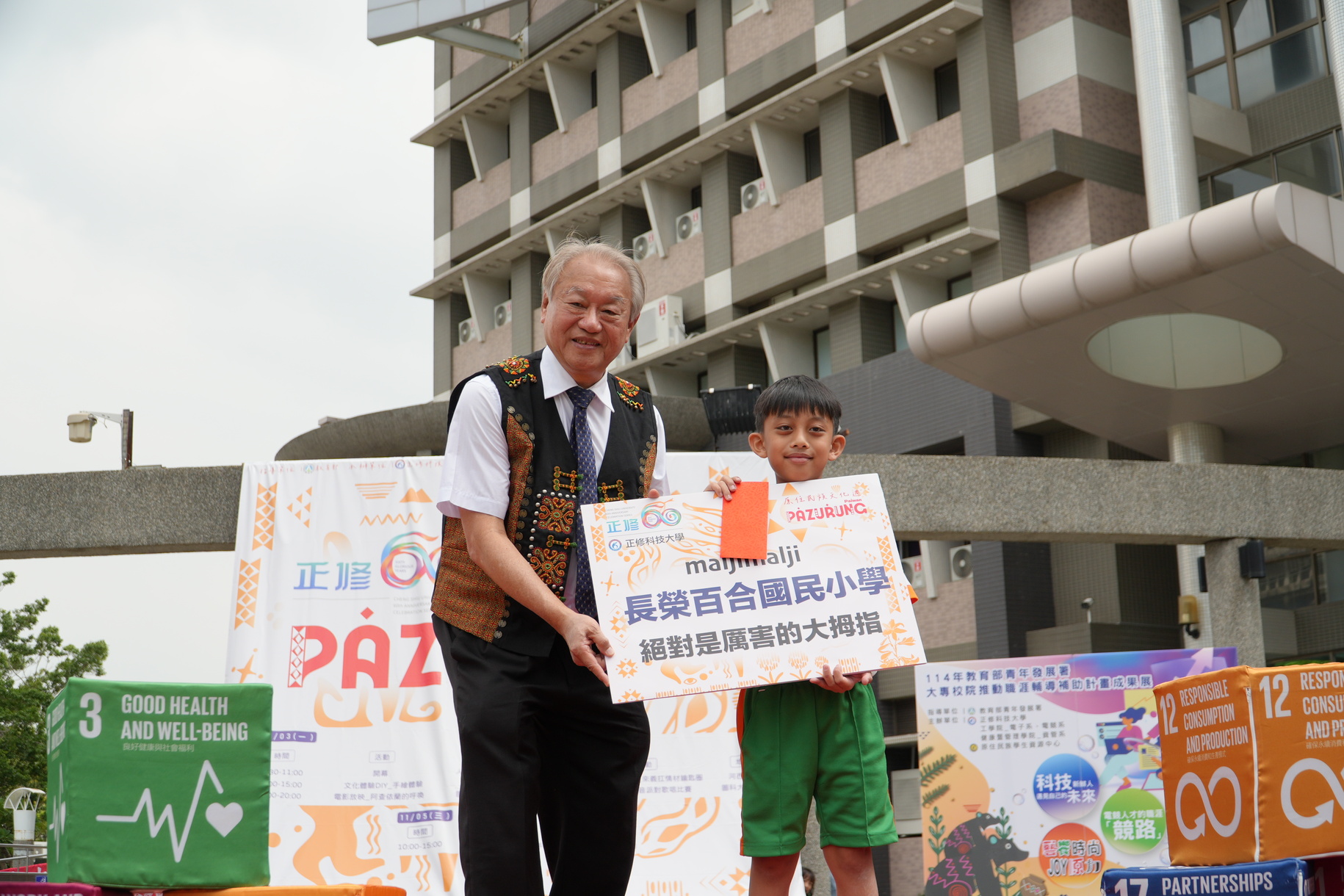
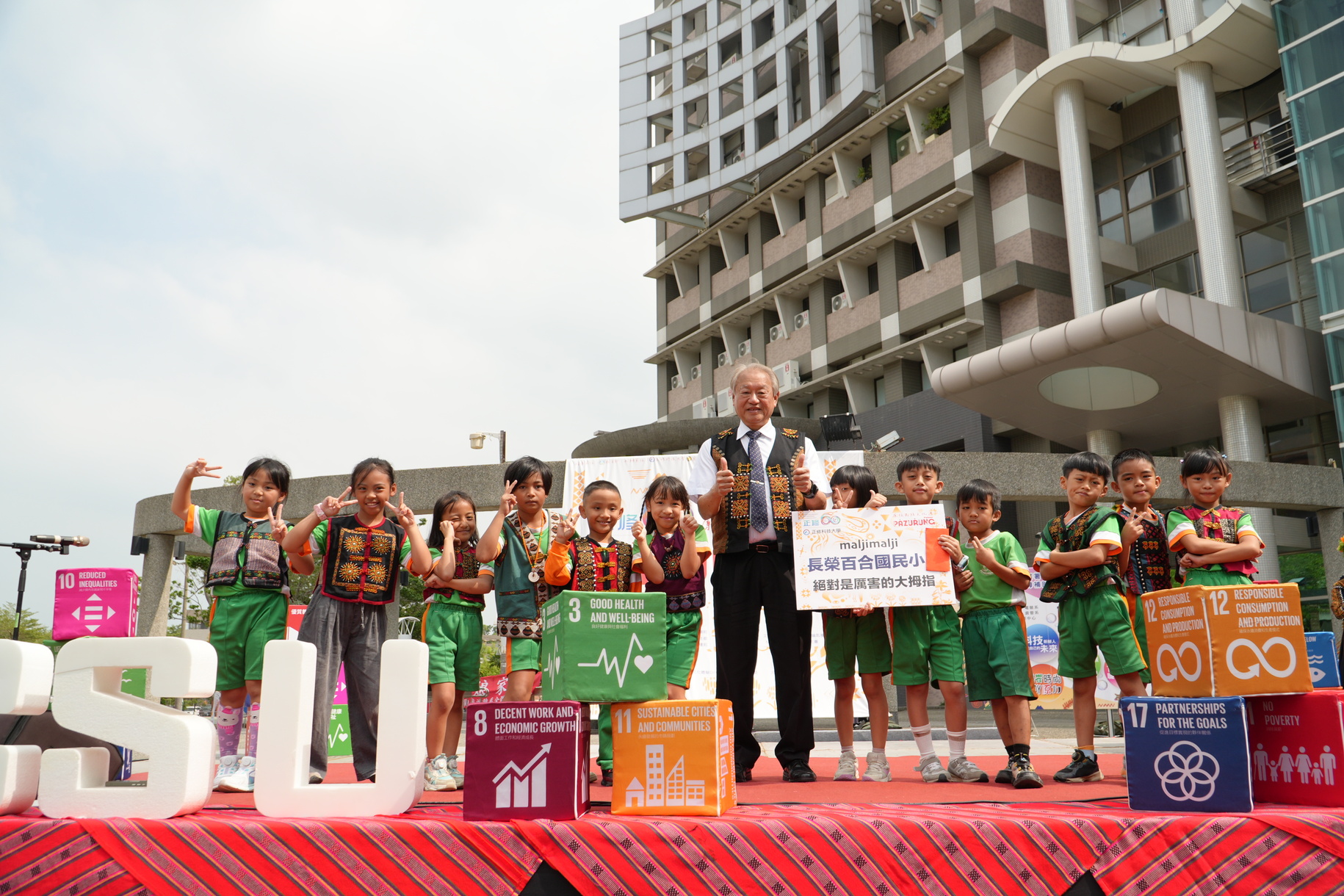
[News Release] The Indigenous Student Resource Center of Cheng Shiu University held the “Pazurung Indigenous Week” series of activities November 3–5. The event officially kicked off yesterday. This year’s theme is “Pazurung” in the Paiwan language, symbolizing “continuation and inheritance.” Coinciding with the University’s 60th anniversary, the event highlighted the integration and continuity of diverse campus cultures. The Indigenous Week featured a variety of activities, including concerts, singing competitions, and barbecue feasts, allowing faculty and students to experience the beauty of Indigenous cultures up close.
At the opening ceremony, President Rui-Zhang Gong of Cheng Shiu University stated that the “Indigenous Week” is an important annual cultural event at the University. Upon entering the venue, one is immediately immersed in an Indigenous tribal atmosphere with a rich cultural ambiance. The event offered both dynamic and static displays, along with diverse interactive experiences, showcasing the diversity and vitality of Indigenous cultures.
The Evergreen Lily Elementary School Choir from Majia Township was specially invited to present the “Field Suite” together with the University’s Pakelang Indigenous Youth Society at the opening ceremony. Through melodious singing and expressive dance, they opened the event with a strong sense of Indigenous cultural emotion. The atmosphere was lively, with continuous applause, marking the beginning of a spectacular “Pazurung Indigenous Week.”
Chien-Hua Chang, Director of the Alumni and Career Development Center and Executive Secretary of the Indigenous Student Resource Center, stated that the purpose of hosting this Indigenous cultural event is not only to promote the Indigenous culture but also to help all faculty and students, regardless of their ethnic background, gain a deeper understanding and experience of multiculturalism. She emphasized that this also echoes the spirit of the government’s recent promotion of “Universal Indigenous Education,” hoping that Indigenous culture can be more widely understood and appreciated on campus through the combination of education and activities.
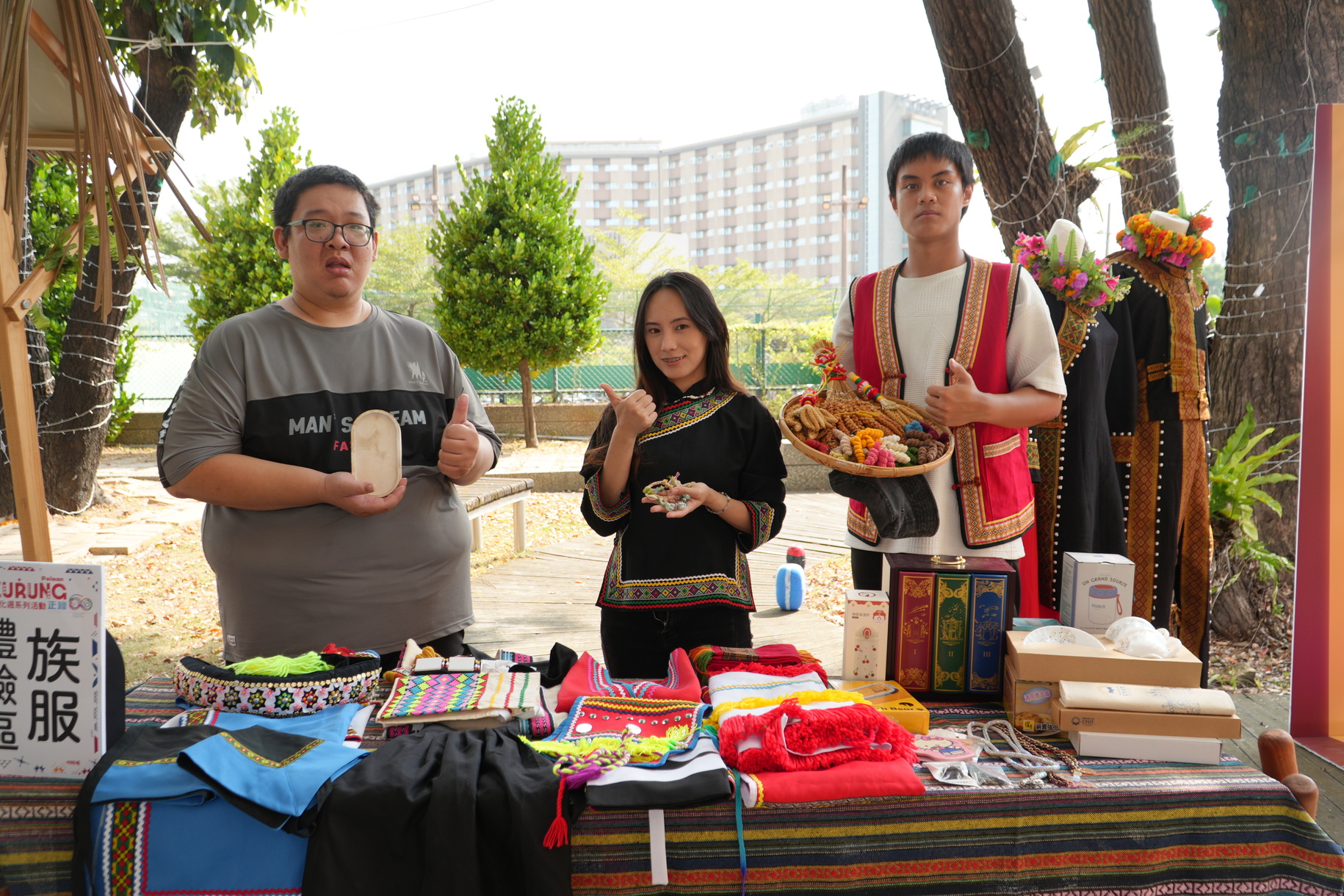
Chien-Hua Chang pointed out that this year’s event was designed around the concept of a five-sensory experience, allowing participants to “see, hear, smell, taste, and touch” Indigenous culture. The campus’s West River Corridor was planned with dynamic and static displays and bazaar experiences. In the evening, “Tribal Cinema” and a picnic-style movie screening were also arranged to create an immersive cultural atmosphere.
Chiao-En Yu, a third-year student from the Department of Leisure and Sports Management, said that the University’s annual “Indigenous Week” event is of profound significance to Indigenous students, as it allows them to showcase themselves and pass on their culture on campus, while also enabling non-Indigenous students to approach and respect different cultures in a relaxed manner. She hopes that such an event can continue to be held, allowing more people to see the pride and value of Indigenous people in the city who persist in and identify with their own culture.
This year’s event focuses on Paiwan culture, not only presenting the rich cultural landscape of the Indigenous Peoples but also showcasing the achievements of 2025 Higher Education Career Counseling Subsidy Program of Youth Development Administration of Ministry of Education, including “Artistic Feast: JOY Indigenous Power,” “Smart Technology Application for Career Initial Experience,” “Esports Talent’s Career [Competition Path]” and “Tech Newbies Meet Their Future,” demonstrating the diverse development of Indigenous students in creativity, technology and culture.