

Cross-disciplinary Collaboration to Cultivate a New Era of Smart Healthcare and Lead a Sustainable Future for Health; Cheng Shiu University ECBIOS 2025 Advocates the Vision of “Advancing Technology and Humanities Together”
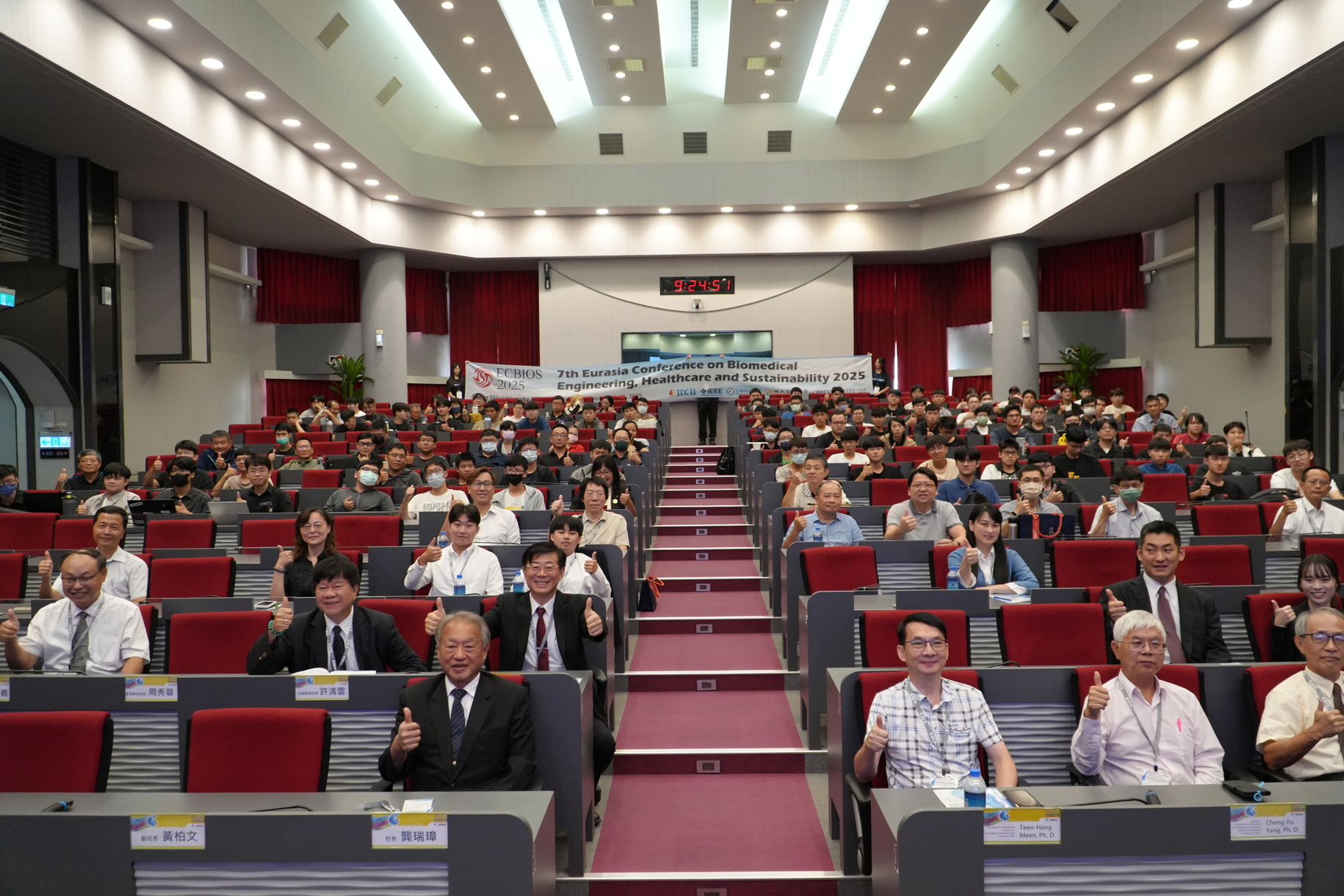
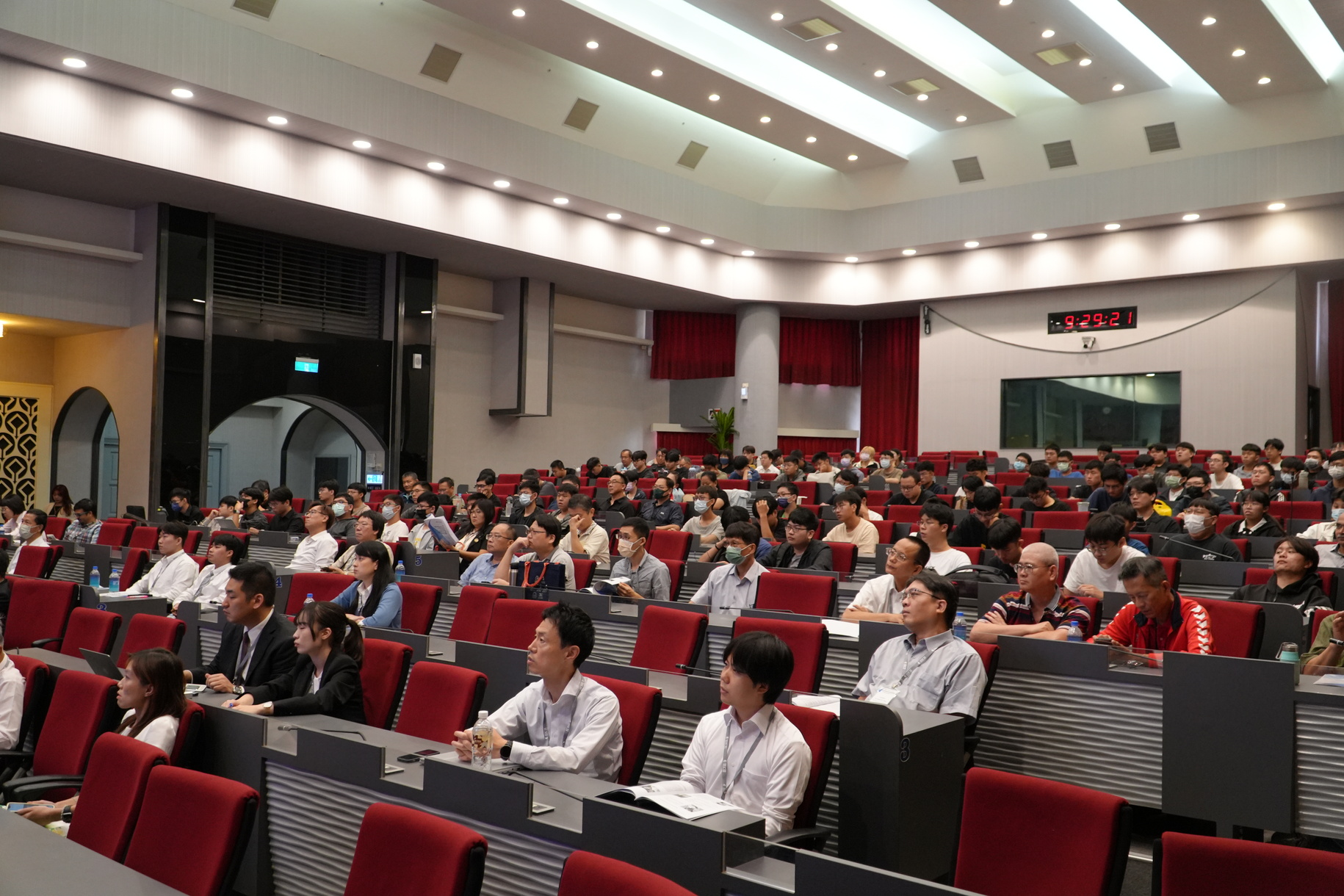
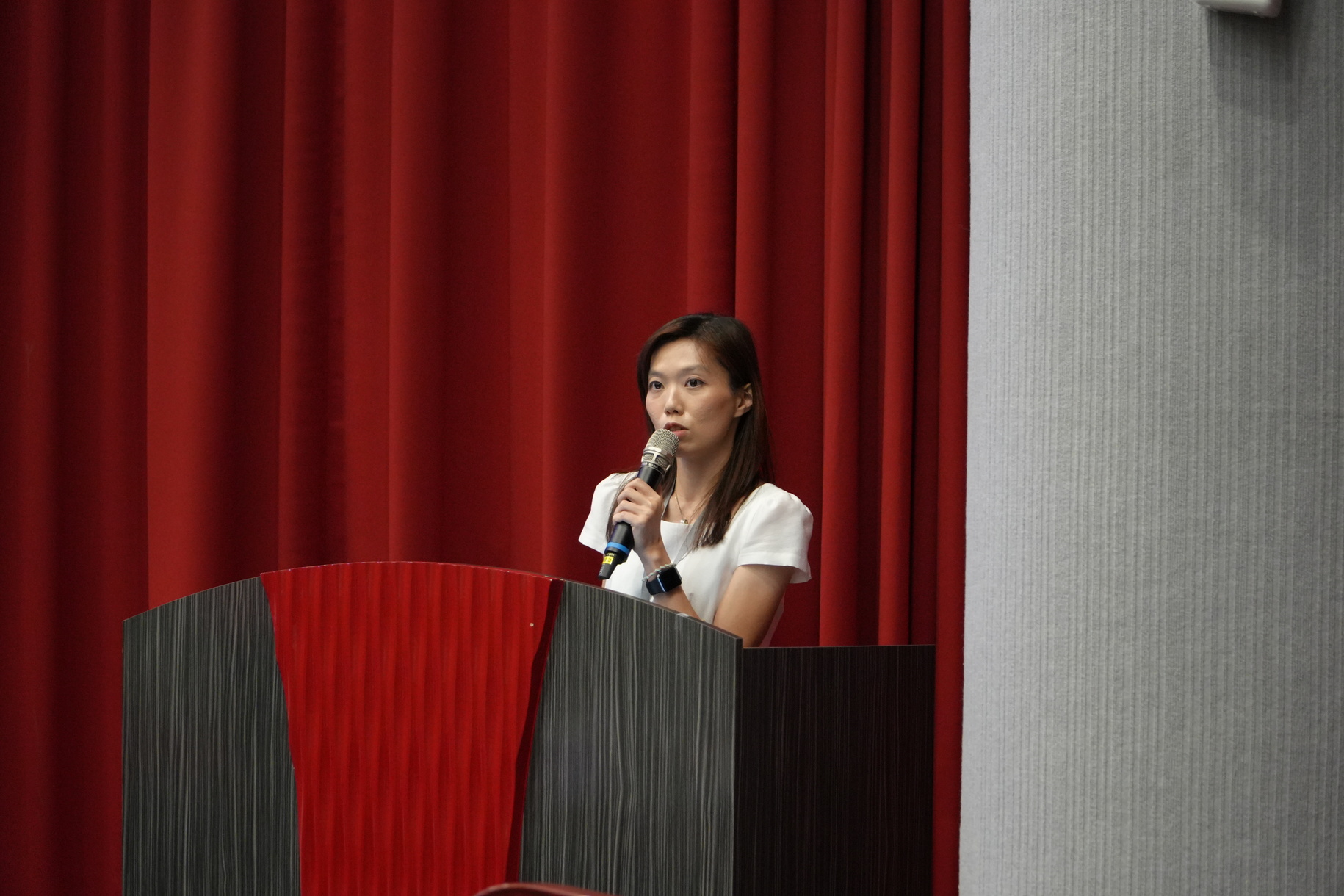
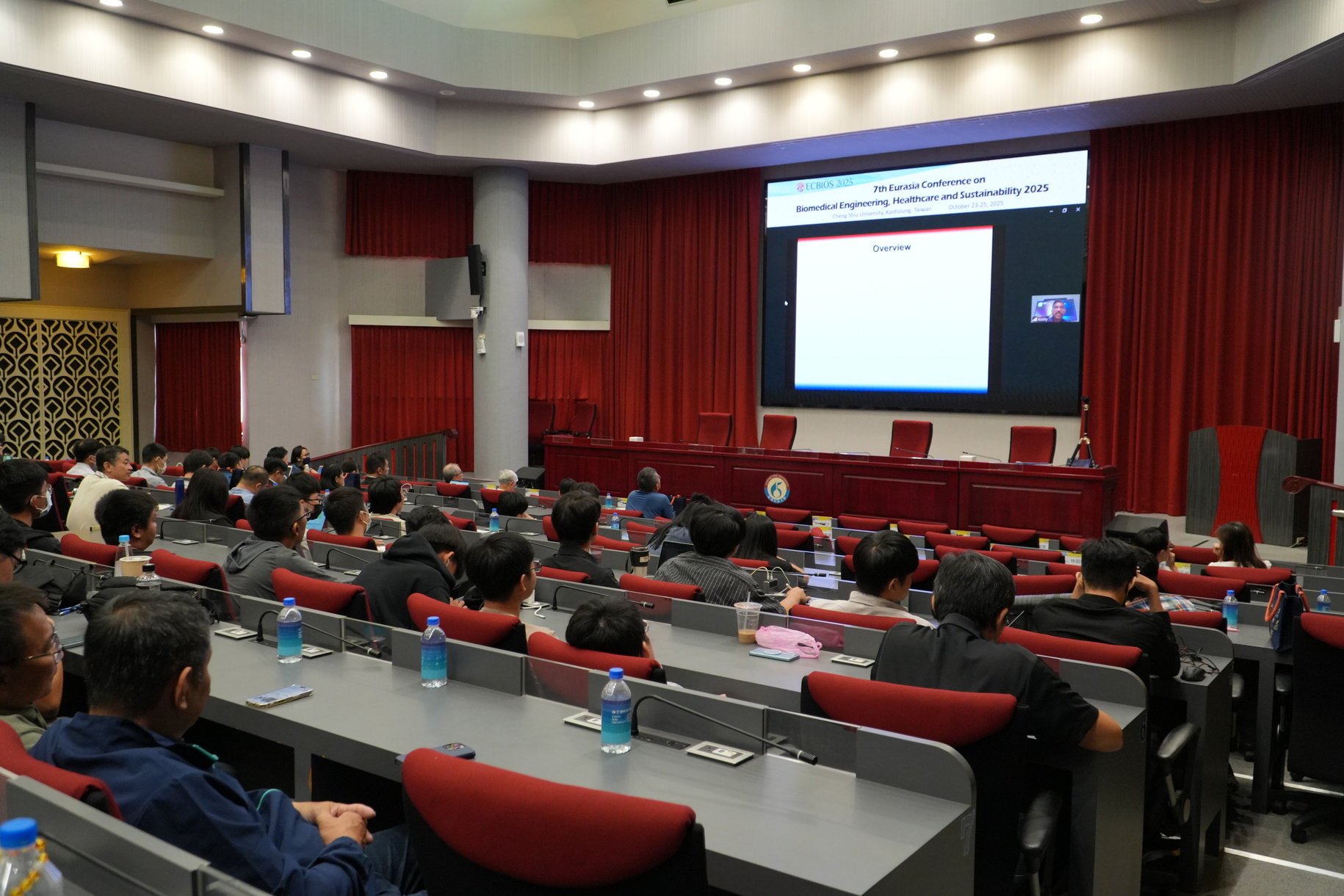
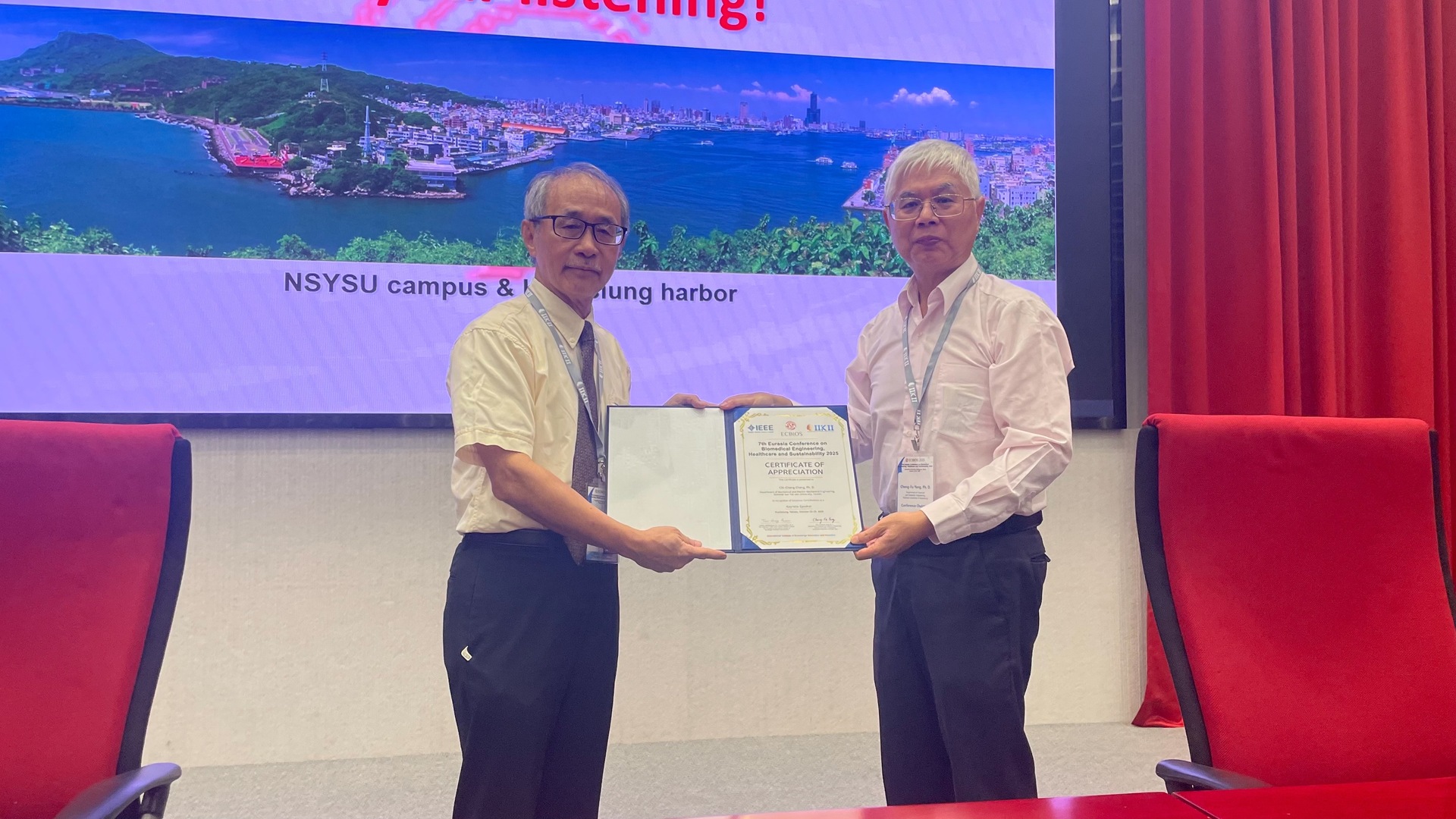
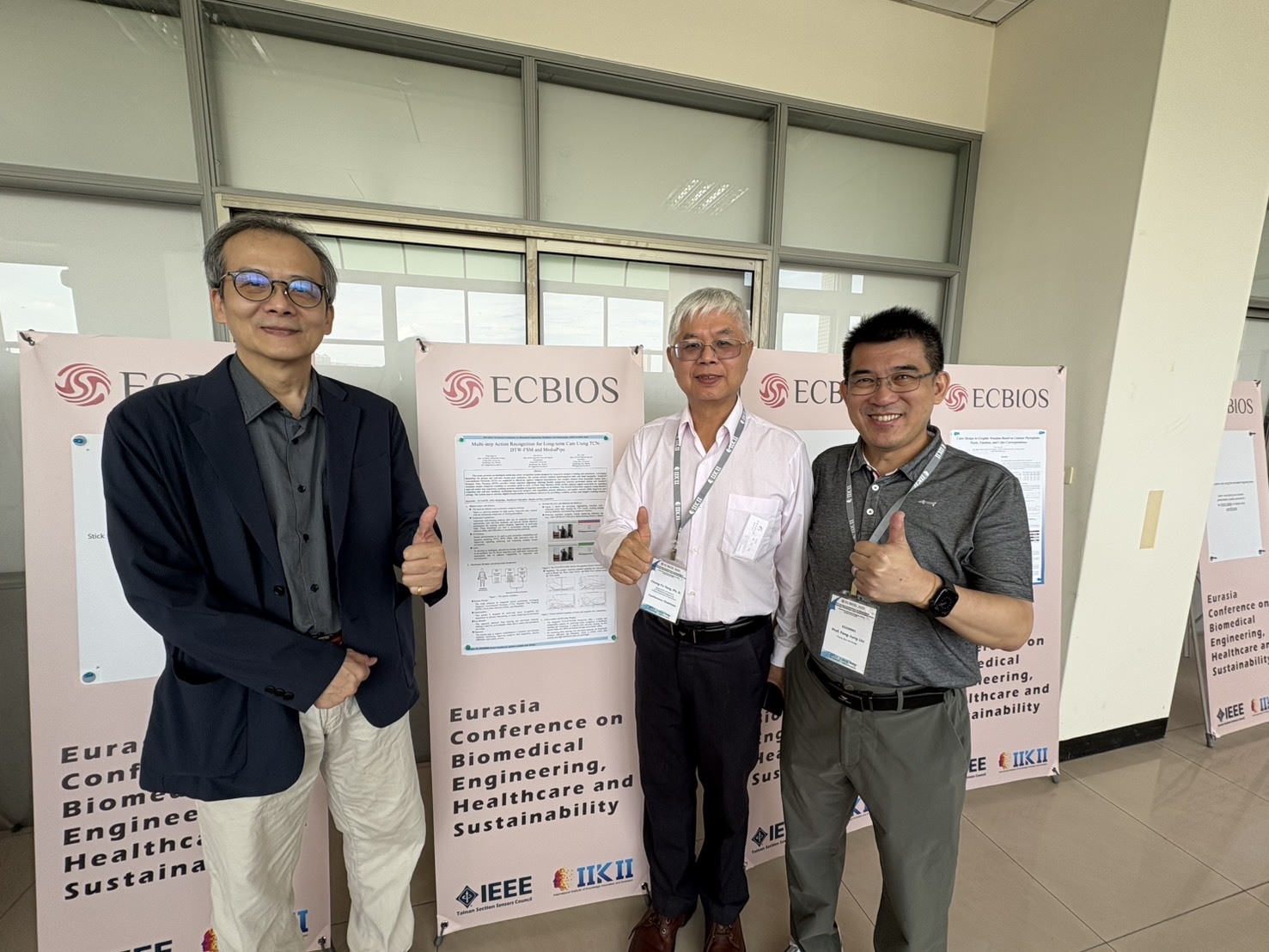
[News Release] The 7th Eurasia Biomedical Engineering, Medical, and Sustainable Development International Conference (ECBIOS 2025) was grandly inaugurated today (23rd) at Cheng Shiu University; it gathered leading scholars, experts, and industry representatives from domestic and international backgrounds to address three key topics: smart healthcare, biomedical engineering, and sustainable health care, while jointly exploring new directions for future medical innovations. Conference Chair Professor Yang Zheng-Fu stated that technological innovation should not only pursue efficiency and speed but must also consider ethics, humanity, social fairness, and sustainability to implement the core value of “technology for people, healthcare as the foundation.”
At the opening ceremony, President Rui-Zhang Gong of Cheng Shiu University gave a speech titled “Advancing Technology and Humanities Together, Wisdom and Sustainability Walking Hand in Hand,” where he elaborated on the current development vision surrounding biomedical technology. The President indicated that the combination of AI, Big Data, and sustainable innovation is deeply changing humanity’s understanding of health and disease, while reshaping the appearance of medical care. He also stated that Cheng Shiu University is committed to combining medicine and humanities, adhering to the spirit of cross-disciplinary collaboration; this facilitates innovative practices that simultaneously promote human health and a friendly environment.
This year’s conference is jointly organized by Cheng Shiu University, National University of Kaohsiung, the International Institute of Knowledge Innovation and Invention (IIKII), and the IEEE Tainan Section Sensors Committee. It has attracted research teams from 11 countries and regions worldwide, receiving 131 paper submissions. After a rigorous review process, 91 papers were accepted, and 24 paper sessions and three keynote speeches were organized.
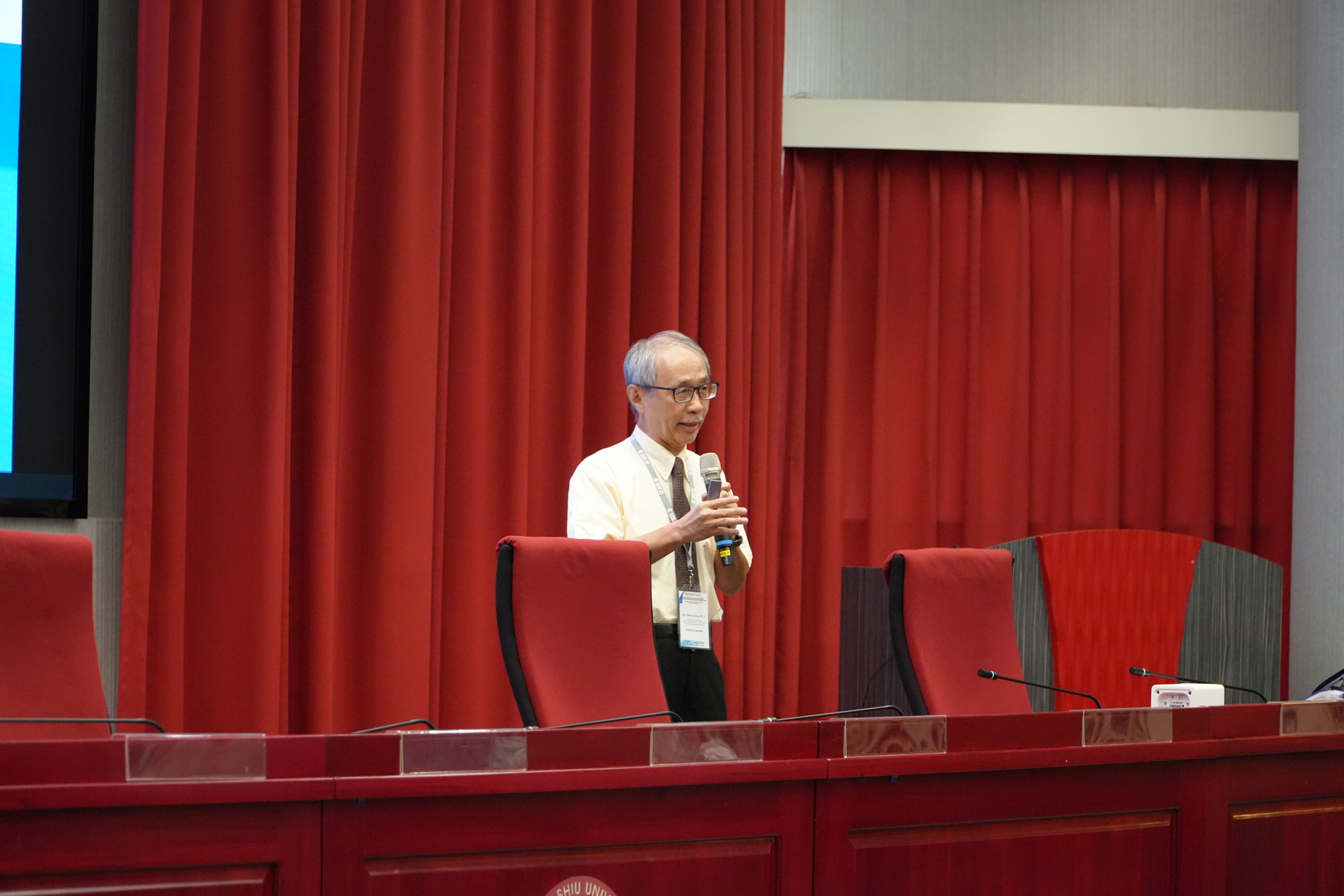
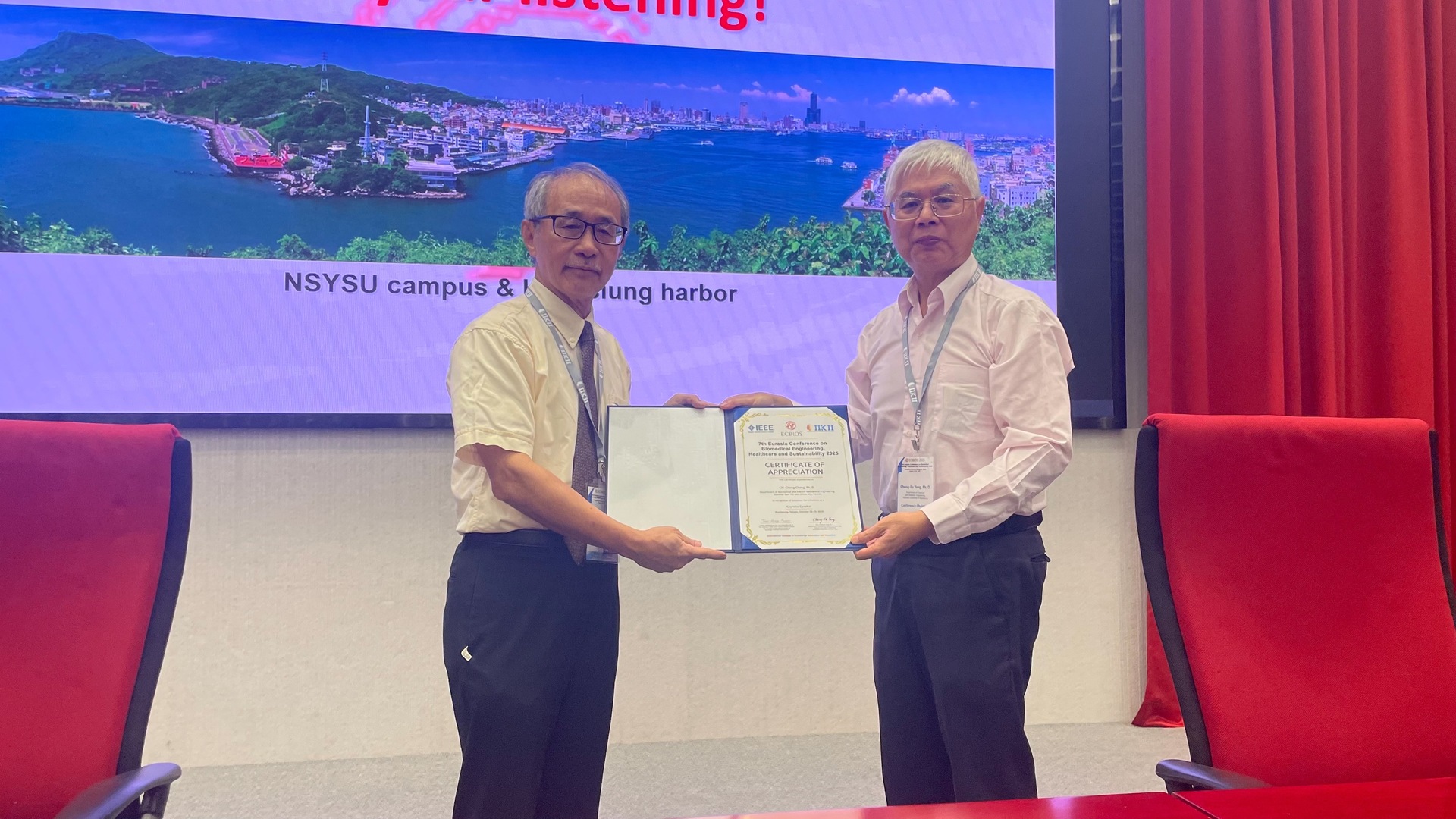
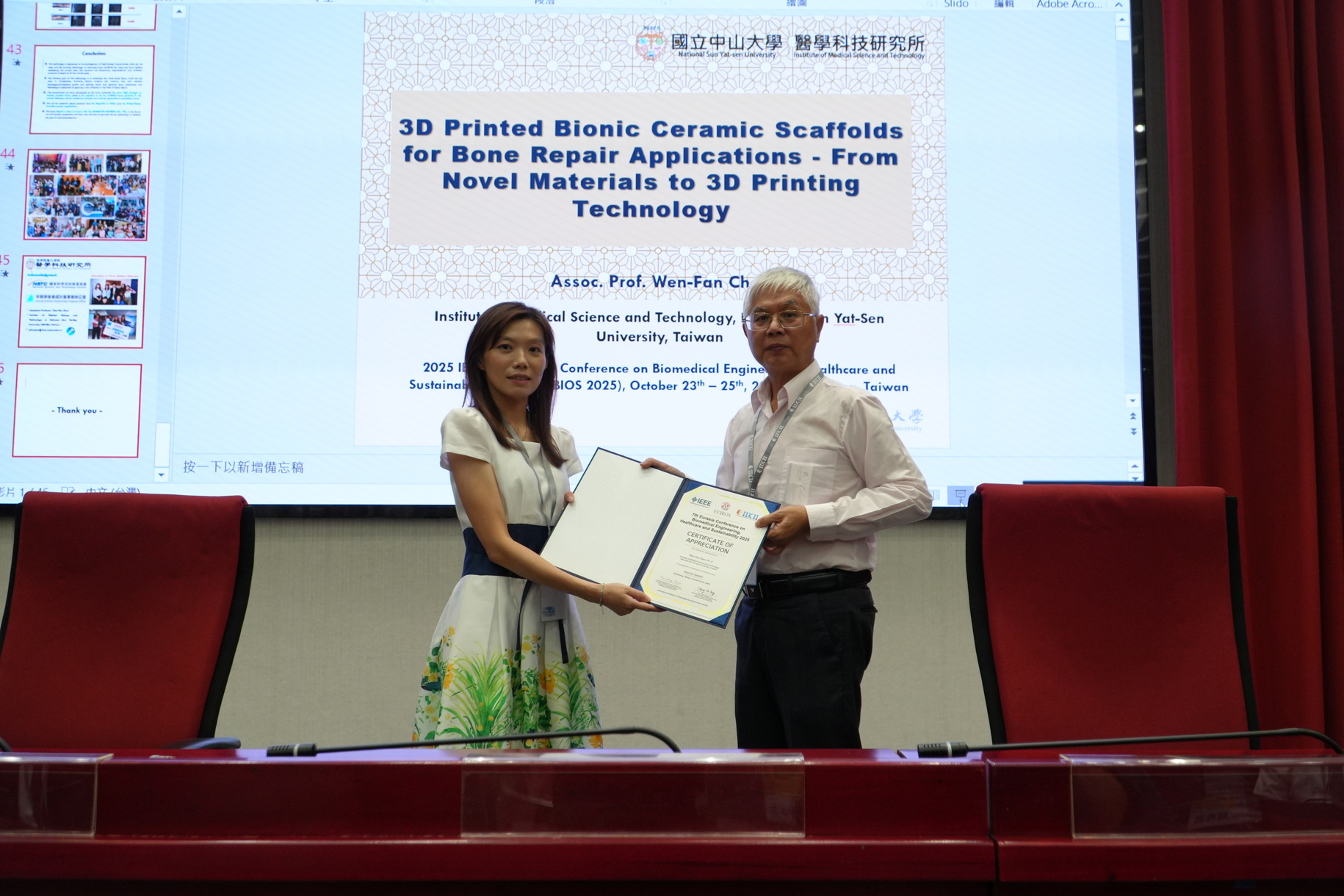
The conference’s three keynote speeches surround the following themes: “Smart Pedestrian Assistance System for Visually Impaired People,” “3D Printed Bioceramic Scaffolds for Bone Regeneration—From New Materials to 3D Printing Technology,” and “Designing Ce-Based Nanostructures for Diverse Biomedical Applications.” These topics encompass cutting-edge fields such as smart healthcare, biosensors, regenerative medicine, and sustainable healthcare, showcasing the depth and breadth of cross-disciplinary scientific research.
The conference highlighted that with the rapid development of AI, sensors, and cloud computing, global healthcare is shifting from hospital-centered care to home and community-based care, from passive treatment to prevention and personalized medicine, and evolving from a disease-oriented approach to a holistic health approach. At the same time, challenges such as global aging, uneven distribution of medical resources, and environmental changes require cross-disciplinary collaboration, which has become an indispensable driving force for medical innovation.
IIKII President Teen-Hang Meen also stated that ECBIOS is not only an academic exchange platform but also an essential engine for promoting “smart healthcare × sustainable environment × innovative talent” in international cooperation. Cross-disciplinary collaboration will continue to deepen, nurturing a new generation of technology talent. It is hoped that all participants will share knowledge, inspire creativity, build friendships, and work together to create a new blueprint for future healthcare.