Cheng Shiu Department of Architecture and Interior Design Wins Gold in Full Scale Construction Competition; "Continuity of Context" Demonstrates Practical Capability from 3D Design to Full Scale Construction
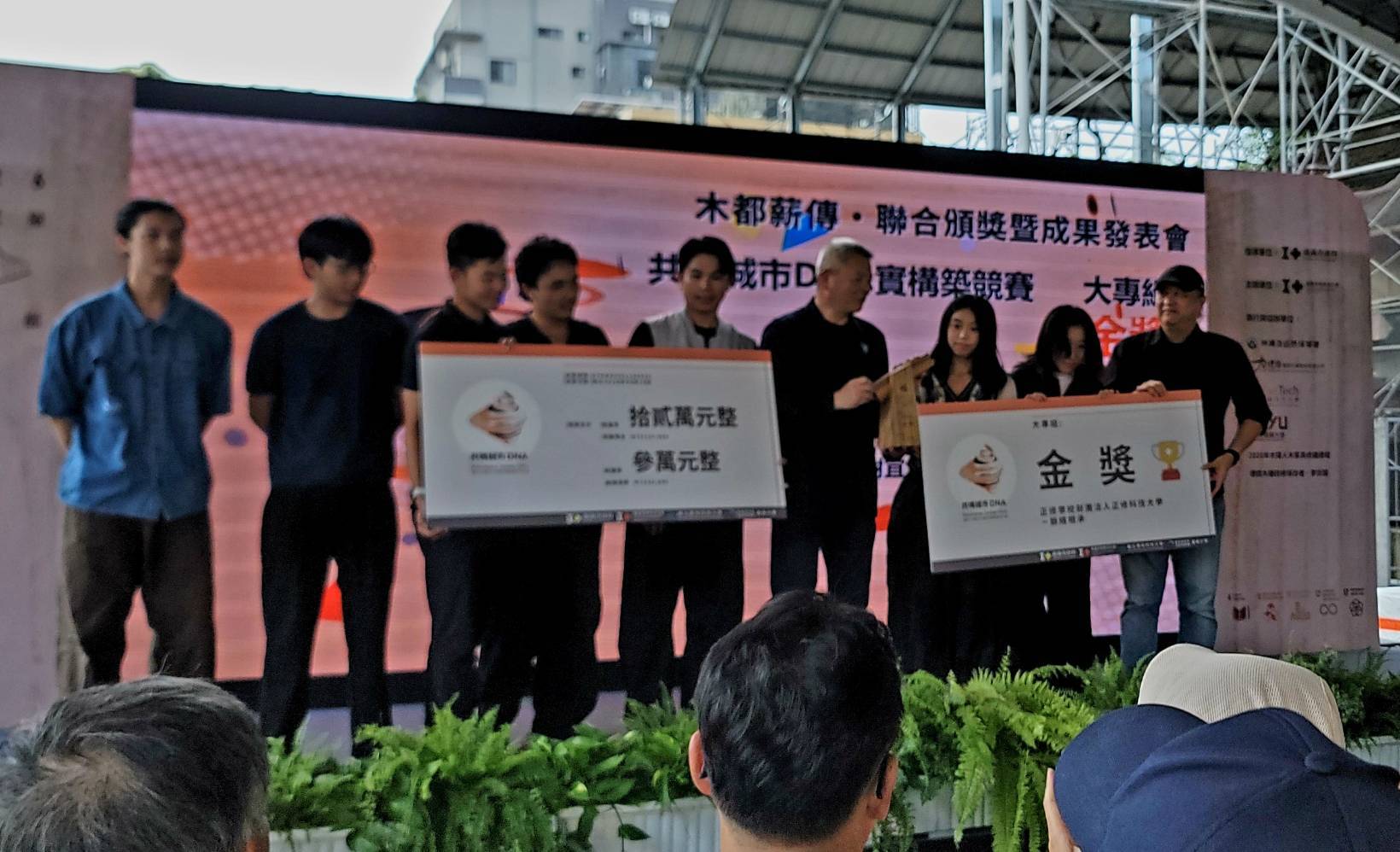
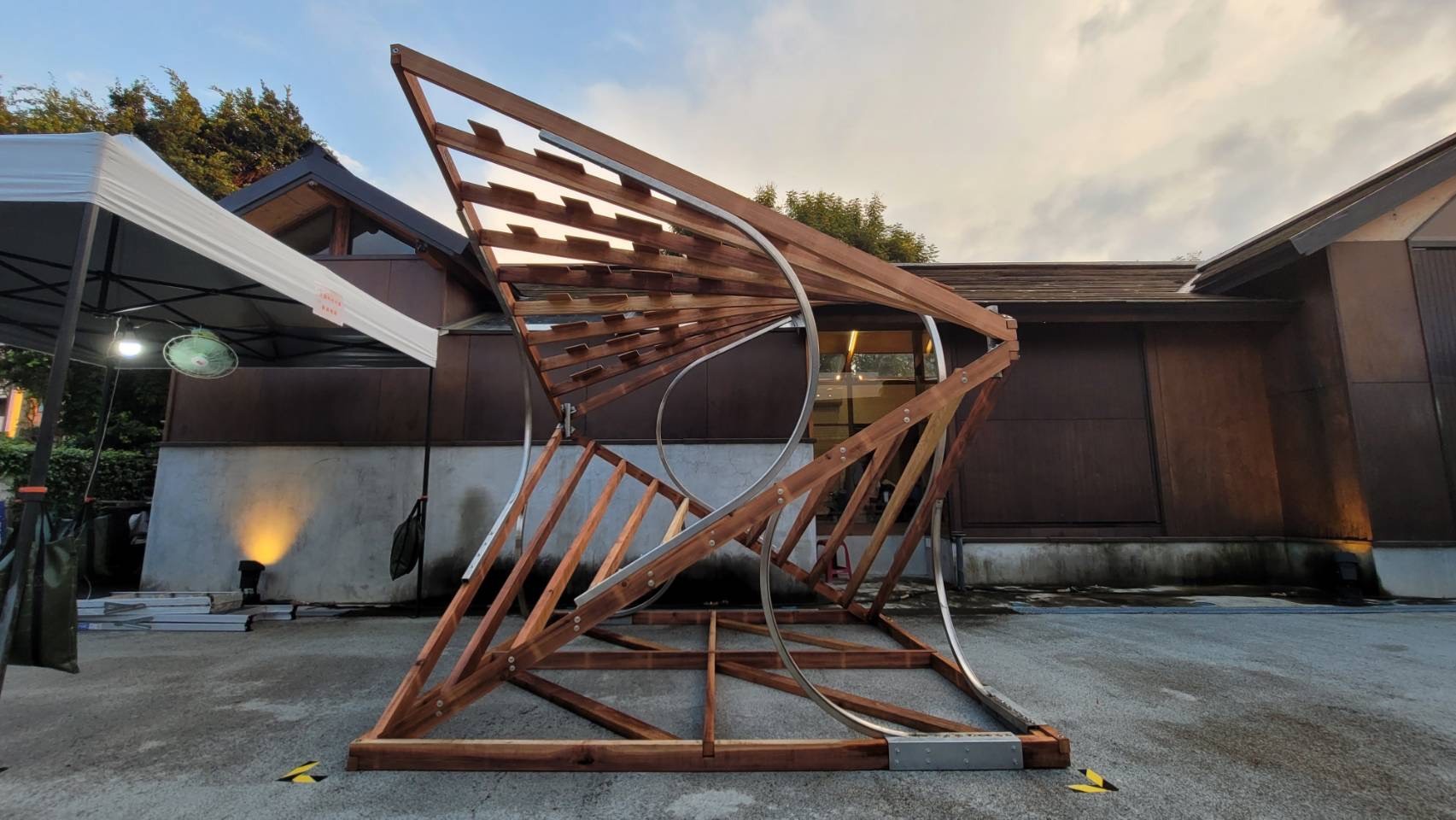
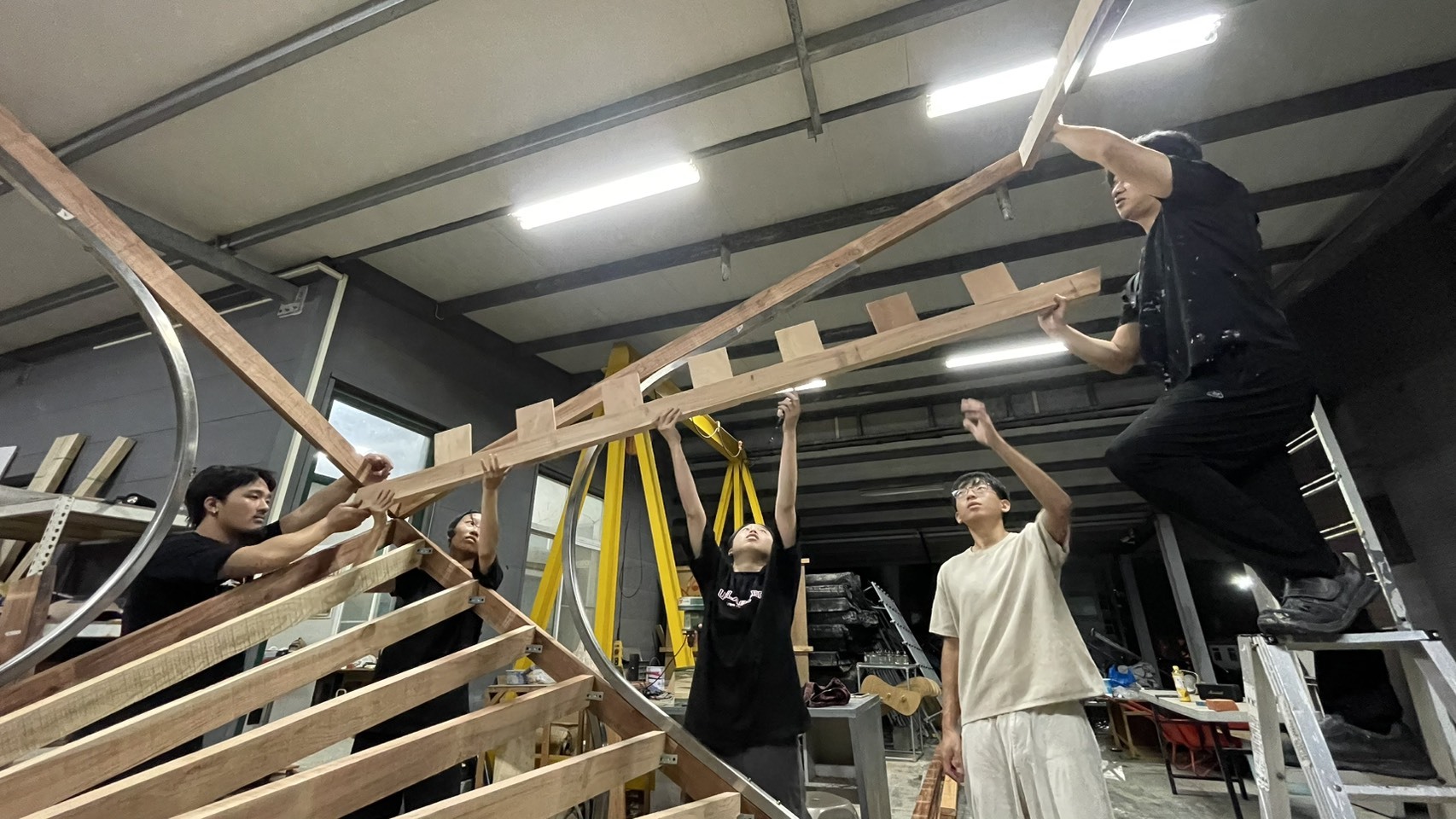
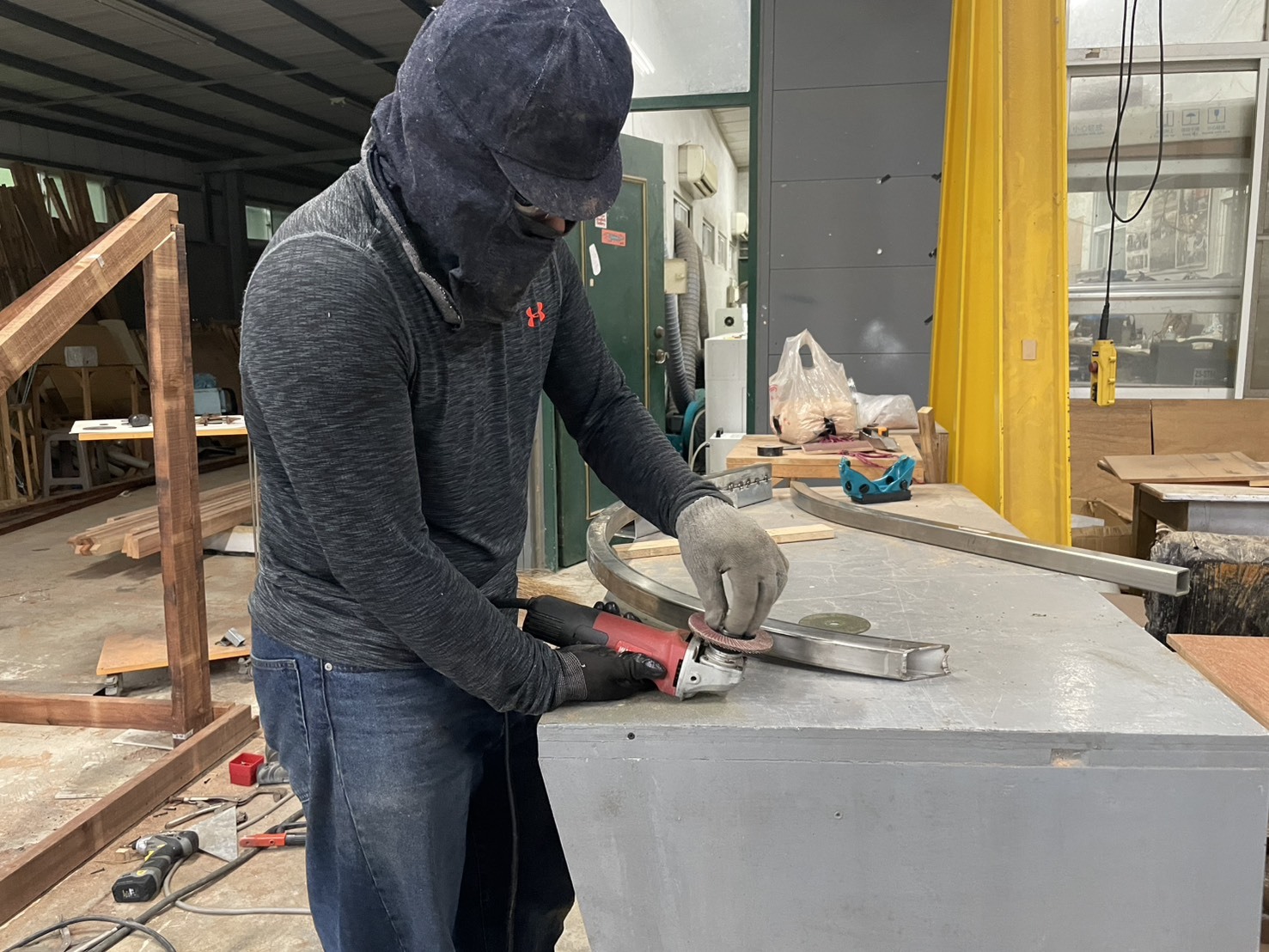
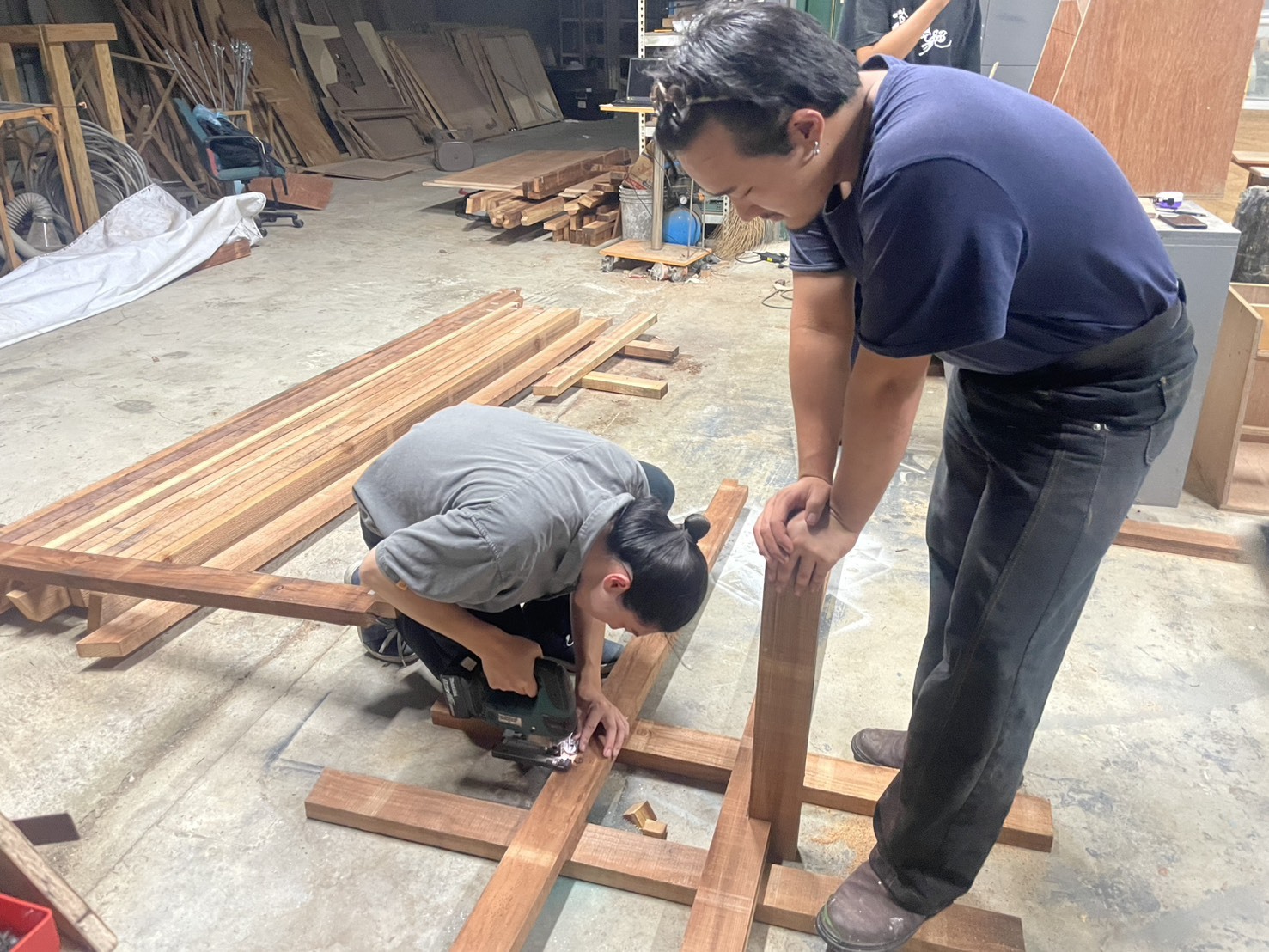
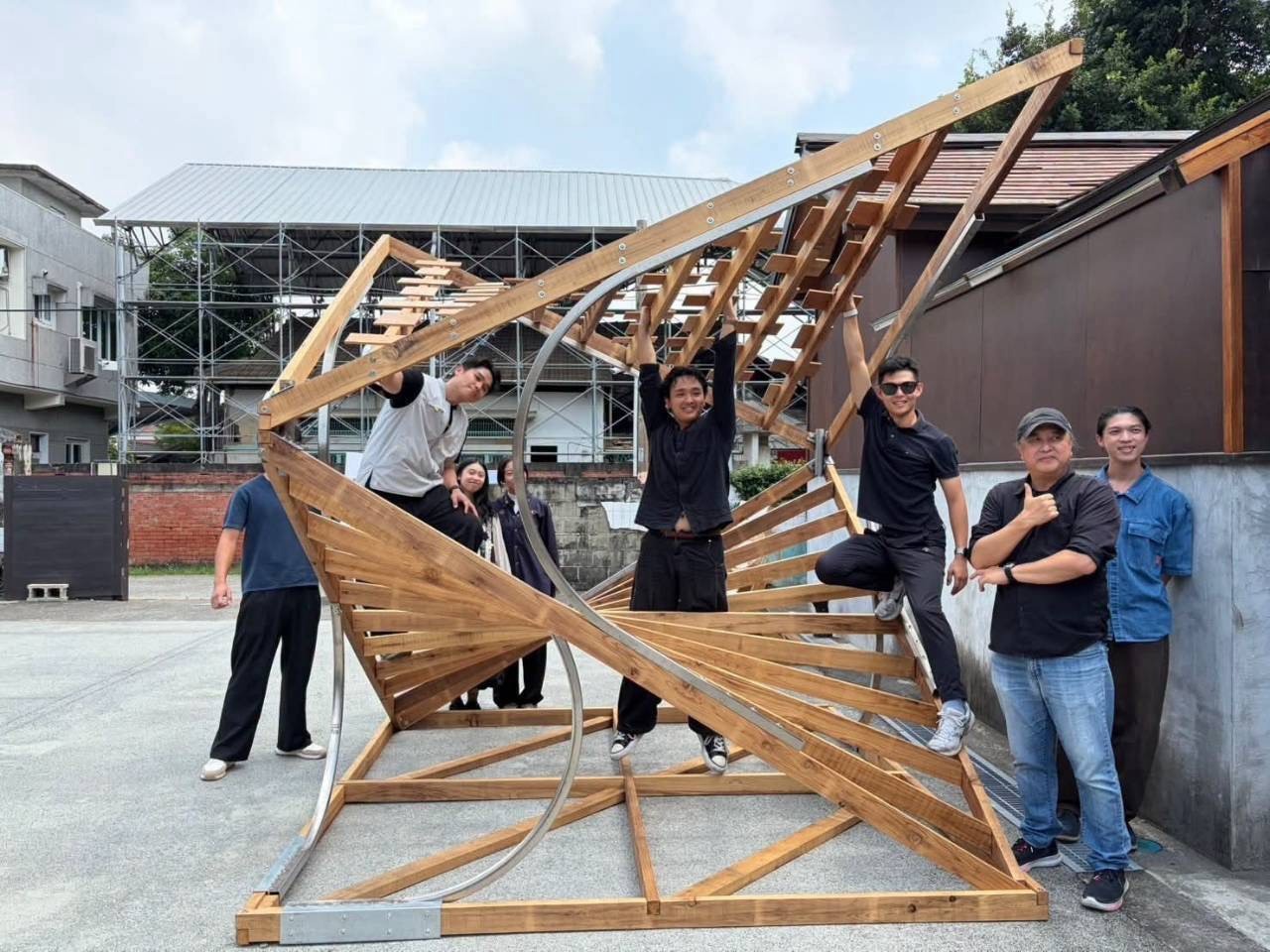
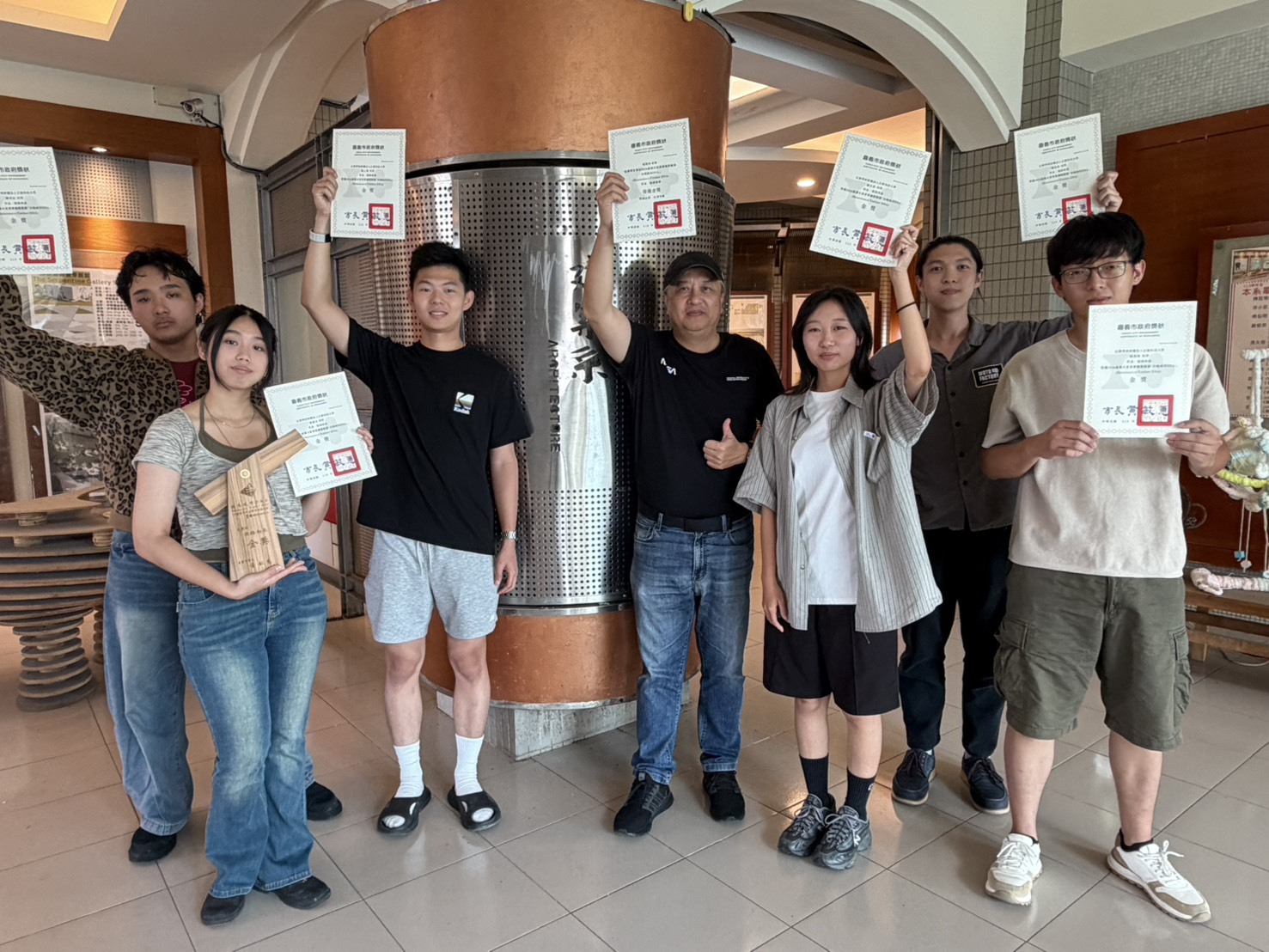
(University News) The Department of Architecture and Interior Design at Cheng Shiu University recently participated in the annual 2026 "Resonant City DNA" Chiayi Wood Industry Full Scale Construction Competition with its work "Continuity of Context." The team distinguished itself among the finalists and won the Gold Award in the university and college division. Using the DNA double helix as its design concept, the team combined wood and metal components and turned design drawings into a full scale structure. The project showcased creativity in spatial design and reflected Cheng Shiu University's longstanding emphasis on practical education.
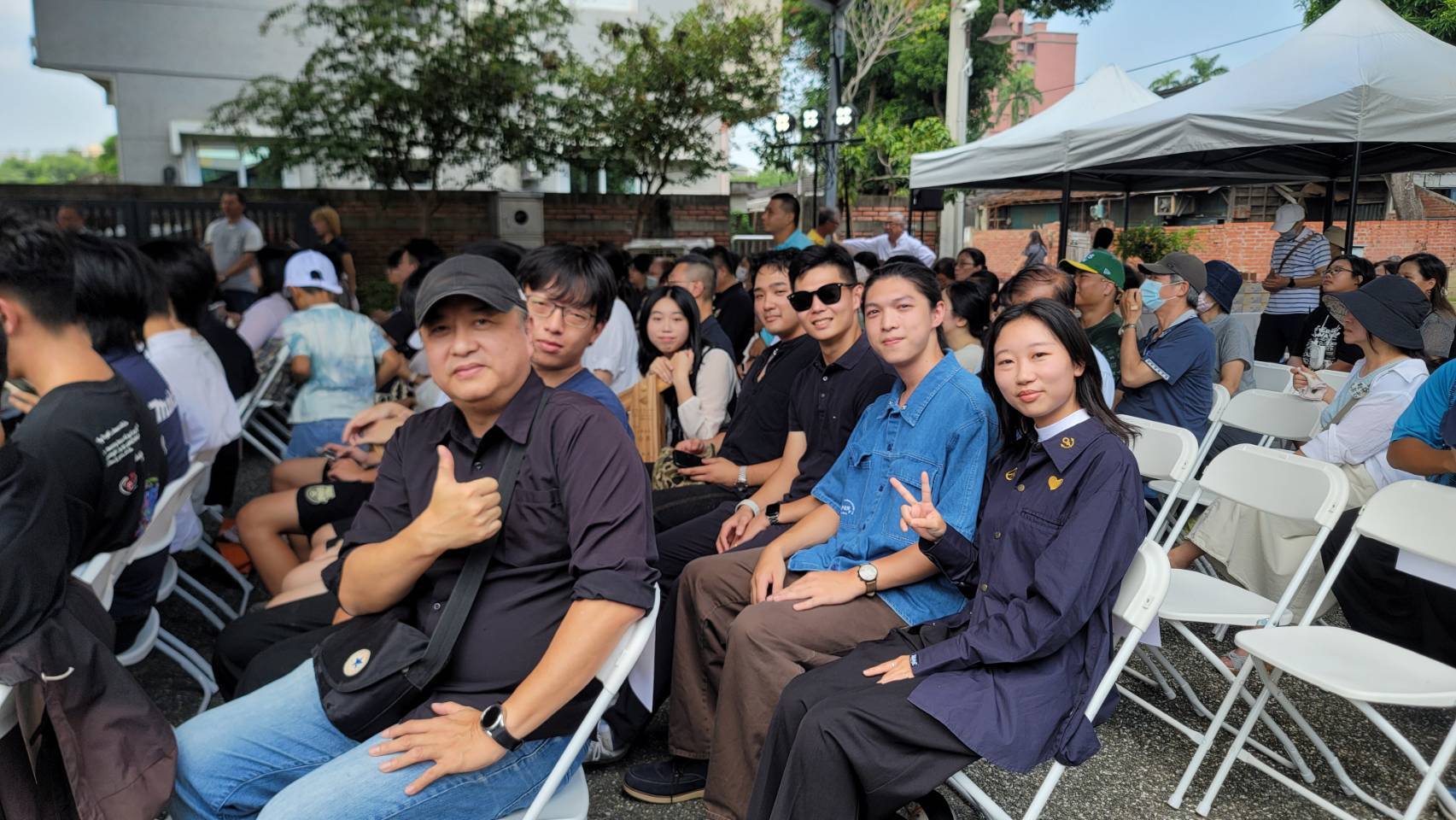
Organized by the Chiayi City Government, the wood industry full scale construction competition was held for the third year. The competition draws on the distinctive characteristics of Chiayi's wood industry and brings together resources from culture, education, design, and industry, encouraging students to explore the relationship between wood and the urban environment through full scale construction. Instructor Ni Shun-cheng of the Department of Architecture and Interior Design led a team of fourth year students, including Chen Hao-chen, Chen Yi-le, Lai Yue-cheng, Liao Pei-wen, and Hsieh Yi-en. Through direct participation in construction, the students transformed their design ideas into a physical project and demonstrated both design creativity and practical skills.
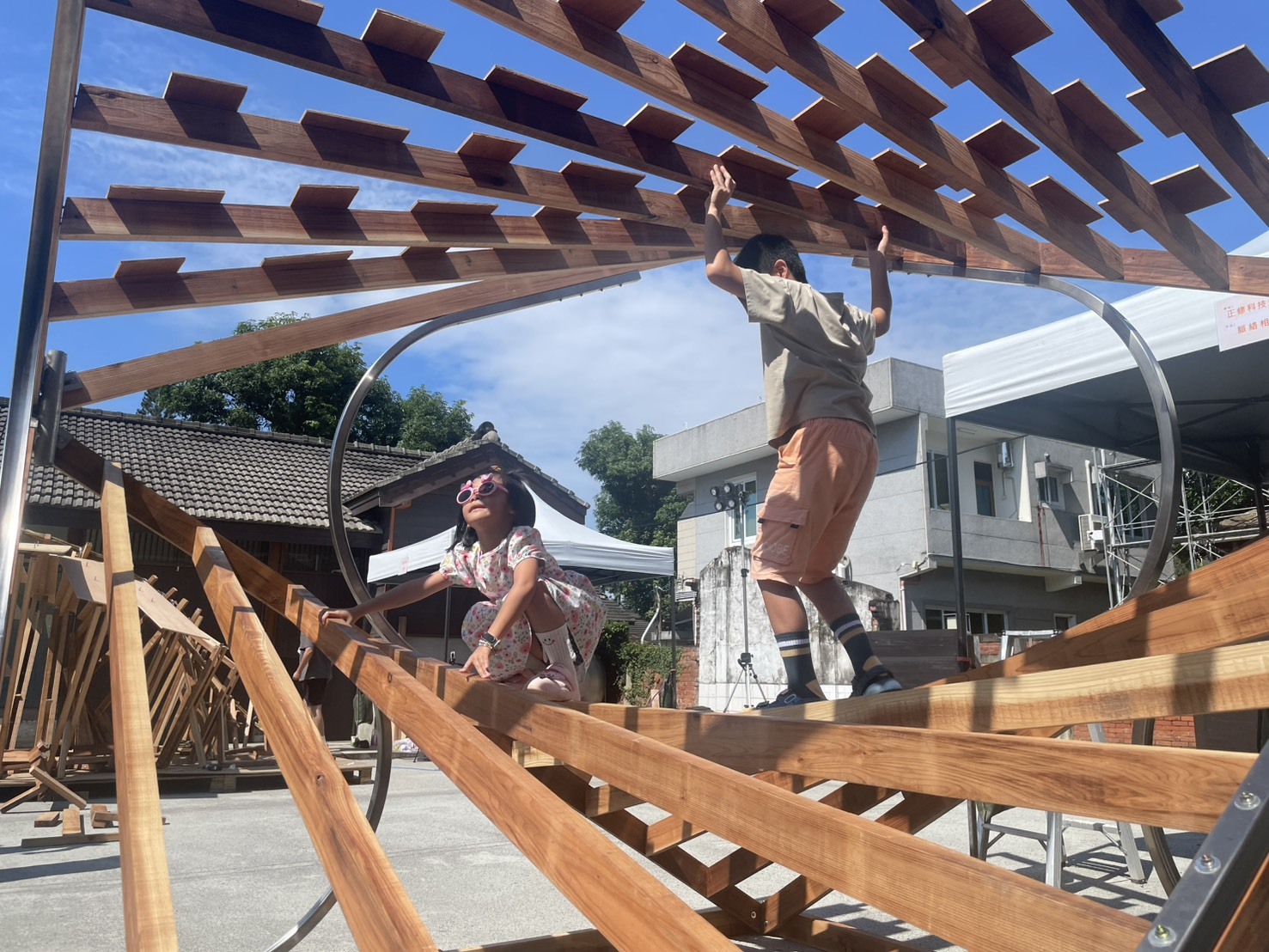
Student Chen Hao-chen stated that "Continuity of Context" was inspired by the "DNA" concept in the competition theme. The image of the DNA double helix was incorporated into the form of the work, with vertically arranged wooden components creating free flowing curves supported by a metal structure, producing a spatial form with a sense of extension and movement. Drawing on Chiayi's identity as a city of wood, the team also considered the relationship among wood, local development, and the urban context, hoping that the work would serve not simply as a single form but as a starting point for students to explore design possibilities.
Student Hsieh Yi-en stated that the real challenge began after the 3D model was completed. The team had to transform a computer based design into a physical work, repeatedly adjusting construction drawings, material estimates, setting out, processing, and assembly. In particular, the connections between diagonal wooden components and the metal supports posed challenges in construction technique and structural stability, helping the team understand that architectural design must consider not only form but also materials, construction methods, and construction sequence.
Student Liao Pei-wen stated that the greatest benefit of the competition was learning how to turn an idea into something that could actually be built. In architecture courses, designs had previously been presented mainly through drawings and models, but the construction process showed that materials, methods, construction sequence, and safety all affect the final result. Student Lai Yue-cheng also shared that by "asking more, doing more, and participating more," he gradually became familiar with the construction process, progressing from being unfamiliar with tools to taking part directly in processing and assembly, which brought a strong sense of accomplishment.
Department Chair Ni Shun-cheng stated that the greatest value of a full scale construction competition is that it allows students to understand the relationship between "design" and "construction." Architects and designers must understand material characteristics, structural methods, construction procedures, and costs in order to design work that can be successfully realized. He noted that after students participate directly in construction, they begin to consider the cost and efficiency represented by a screw, a material, or even a single construction step, insights that are difficult to gain from computer drafting alone.