191 Teams Gather at Cheng Shiu University for Green Idea International Invention and Design Competition as “Interprofessional Smart Medication Safety and Sustainable Care Platform” Wins Grand Jury Award
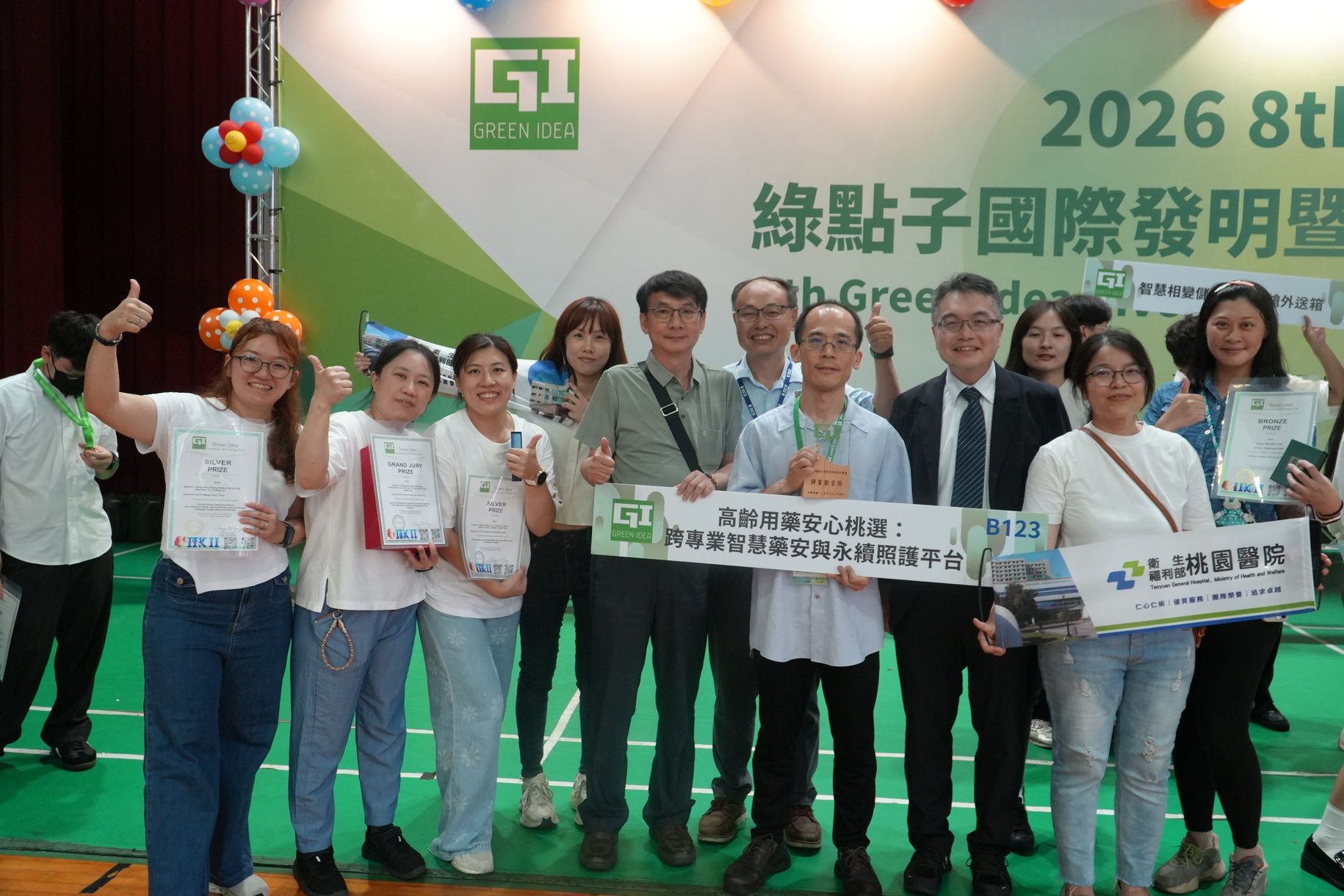
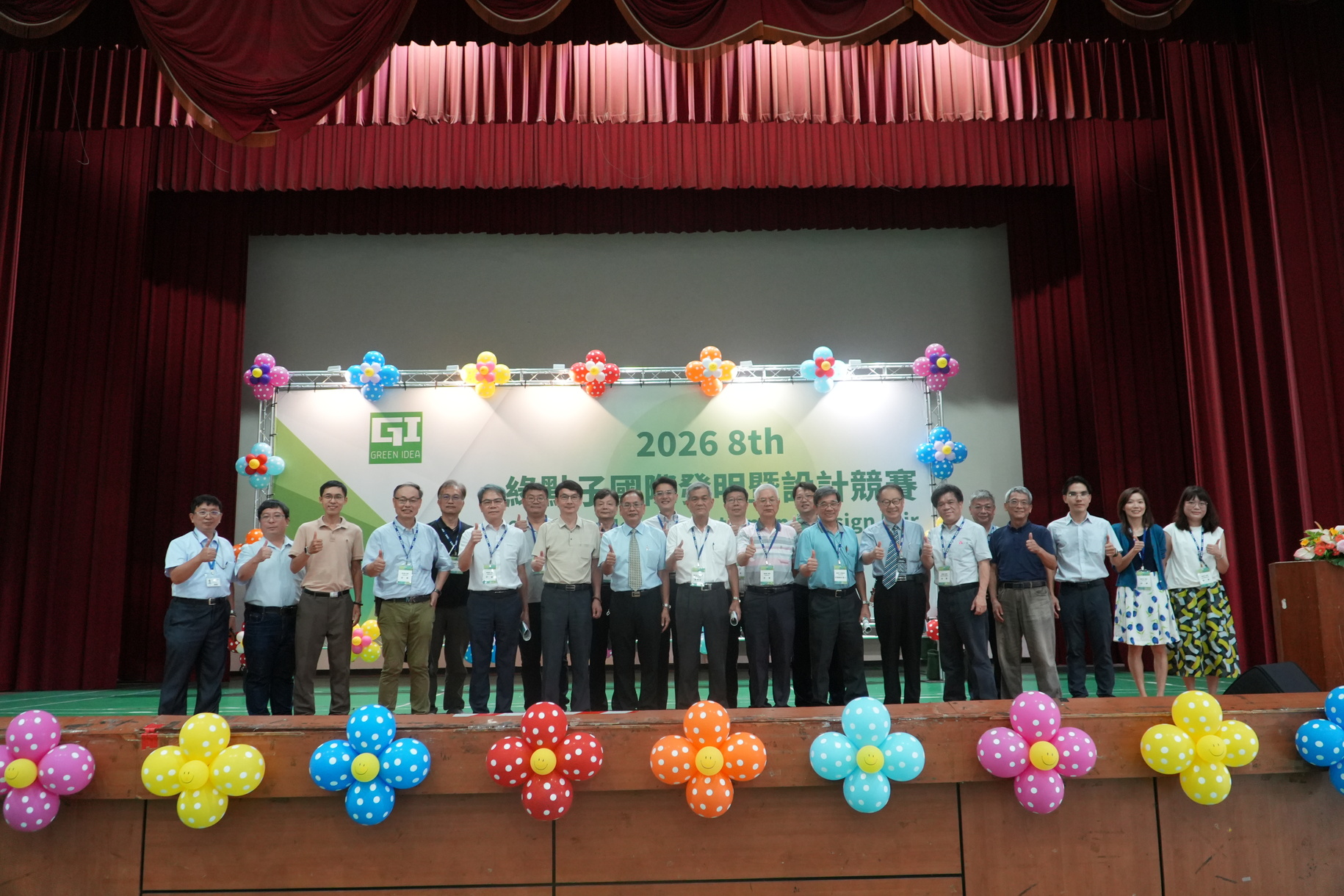
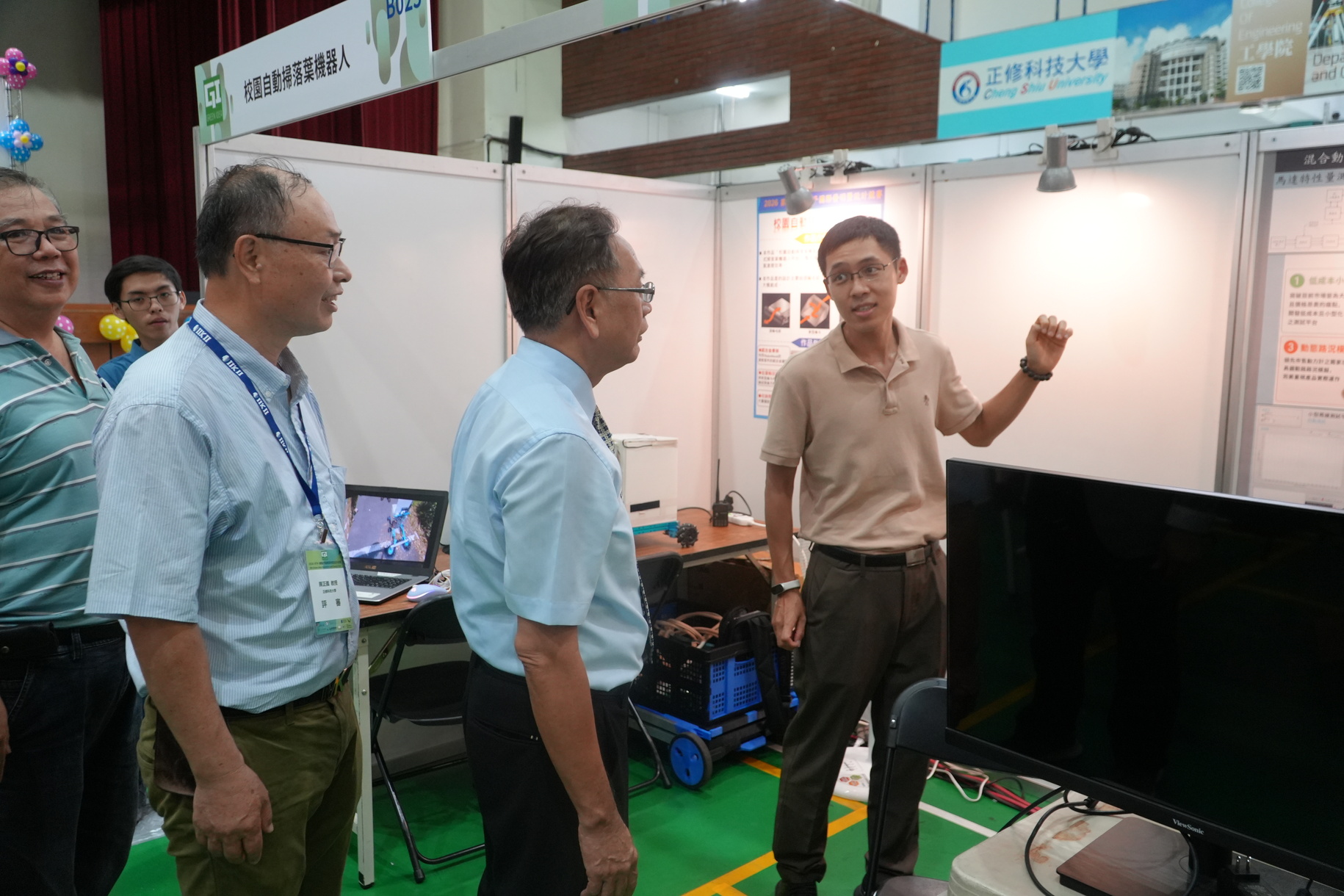
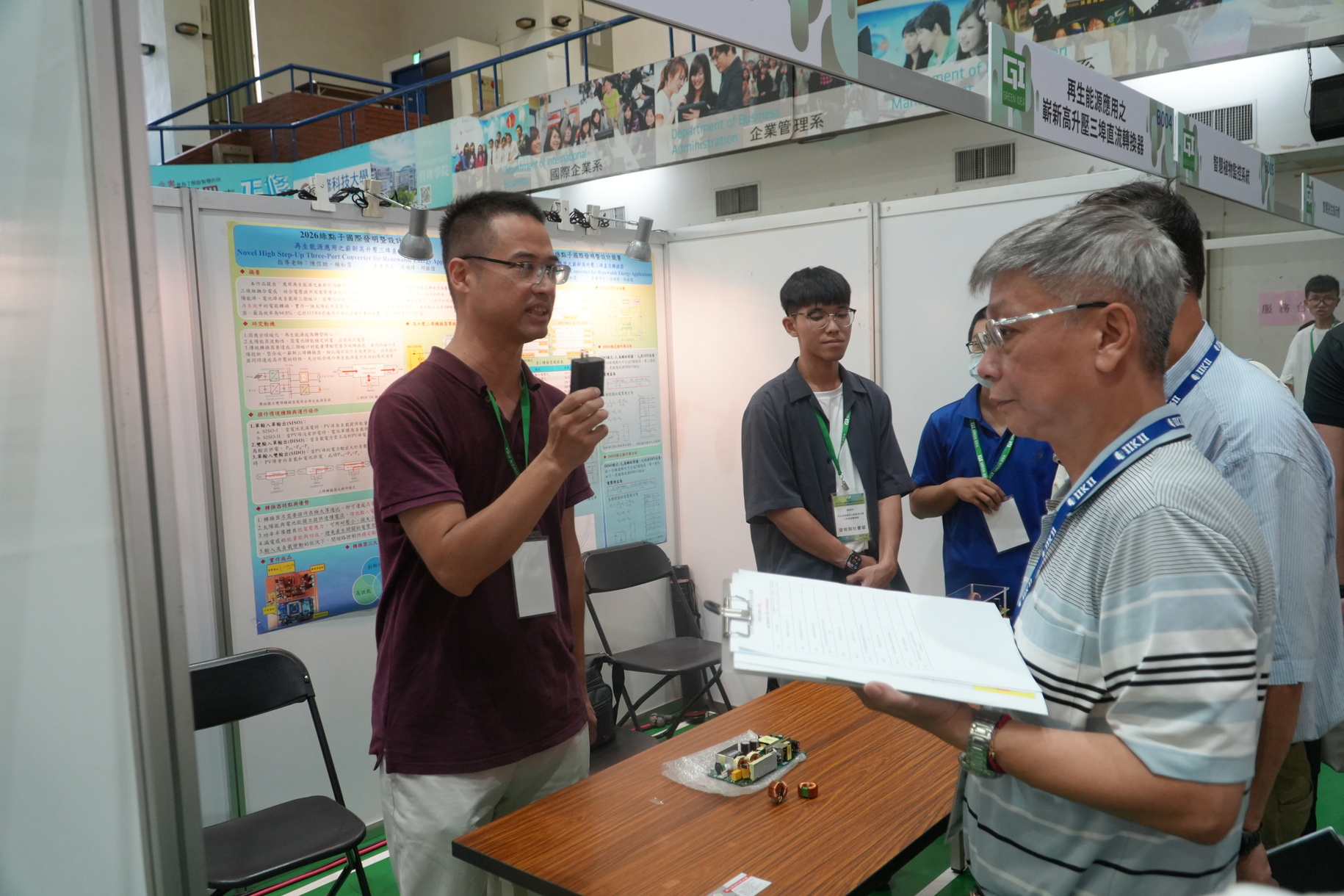
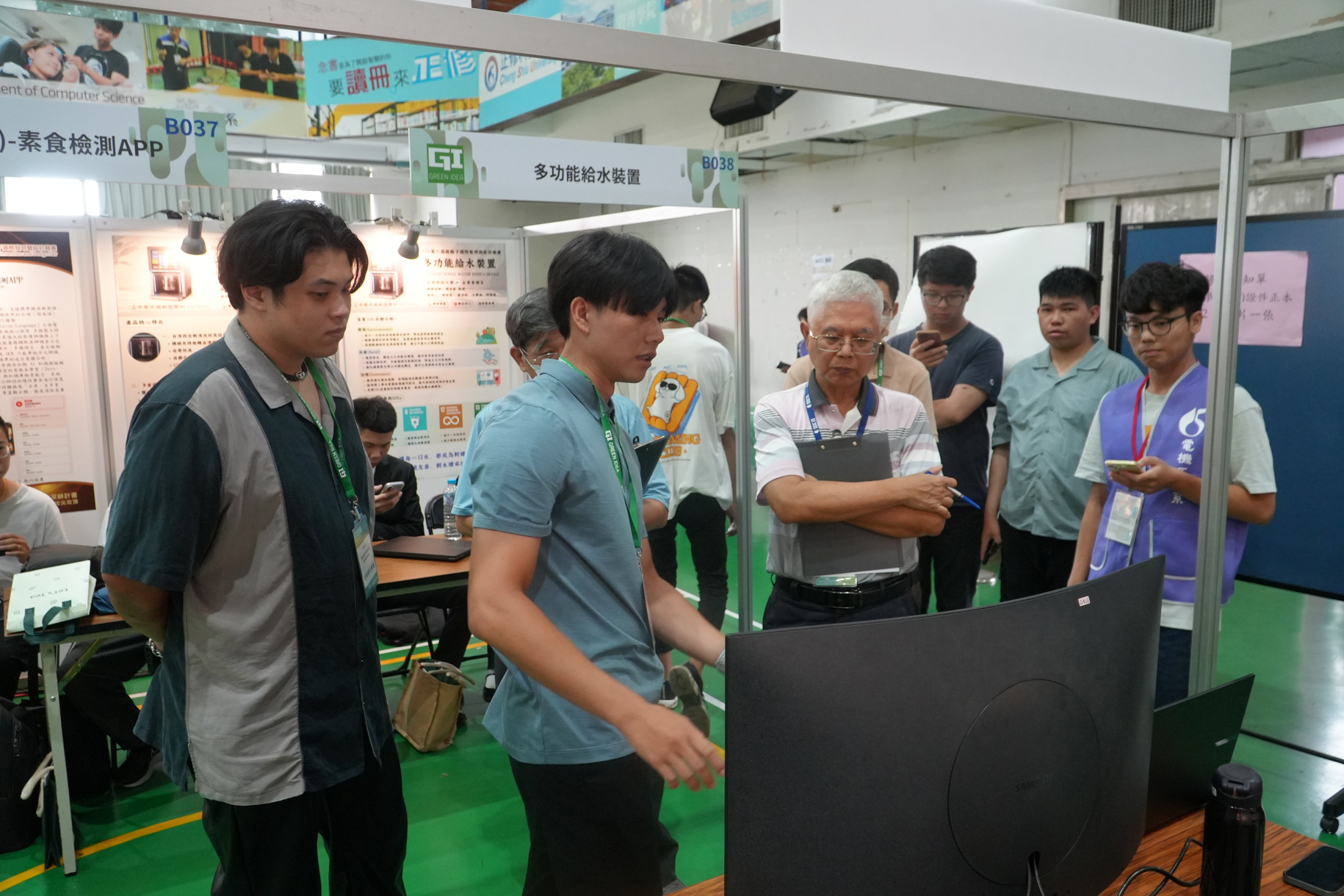
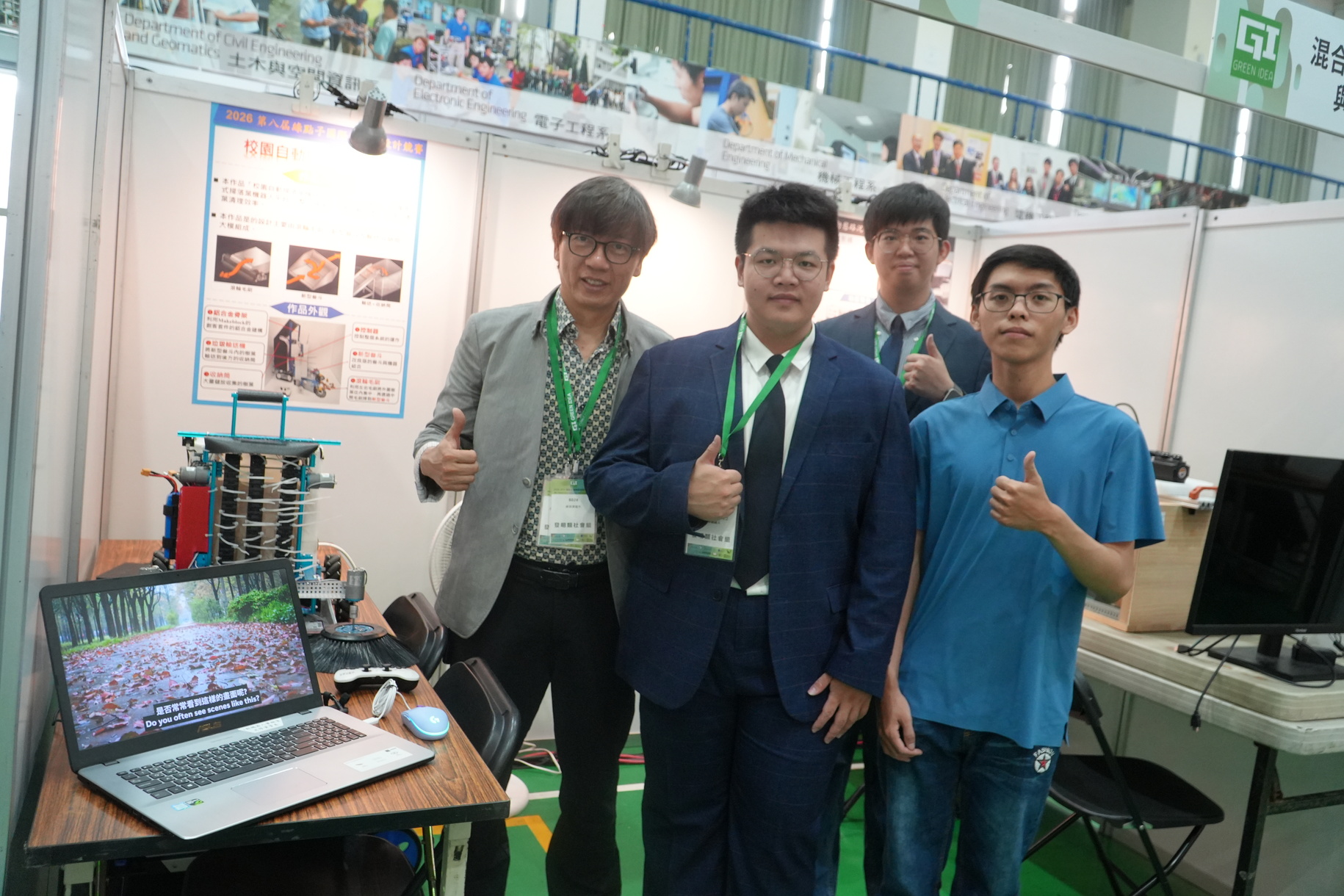
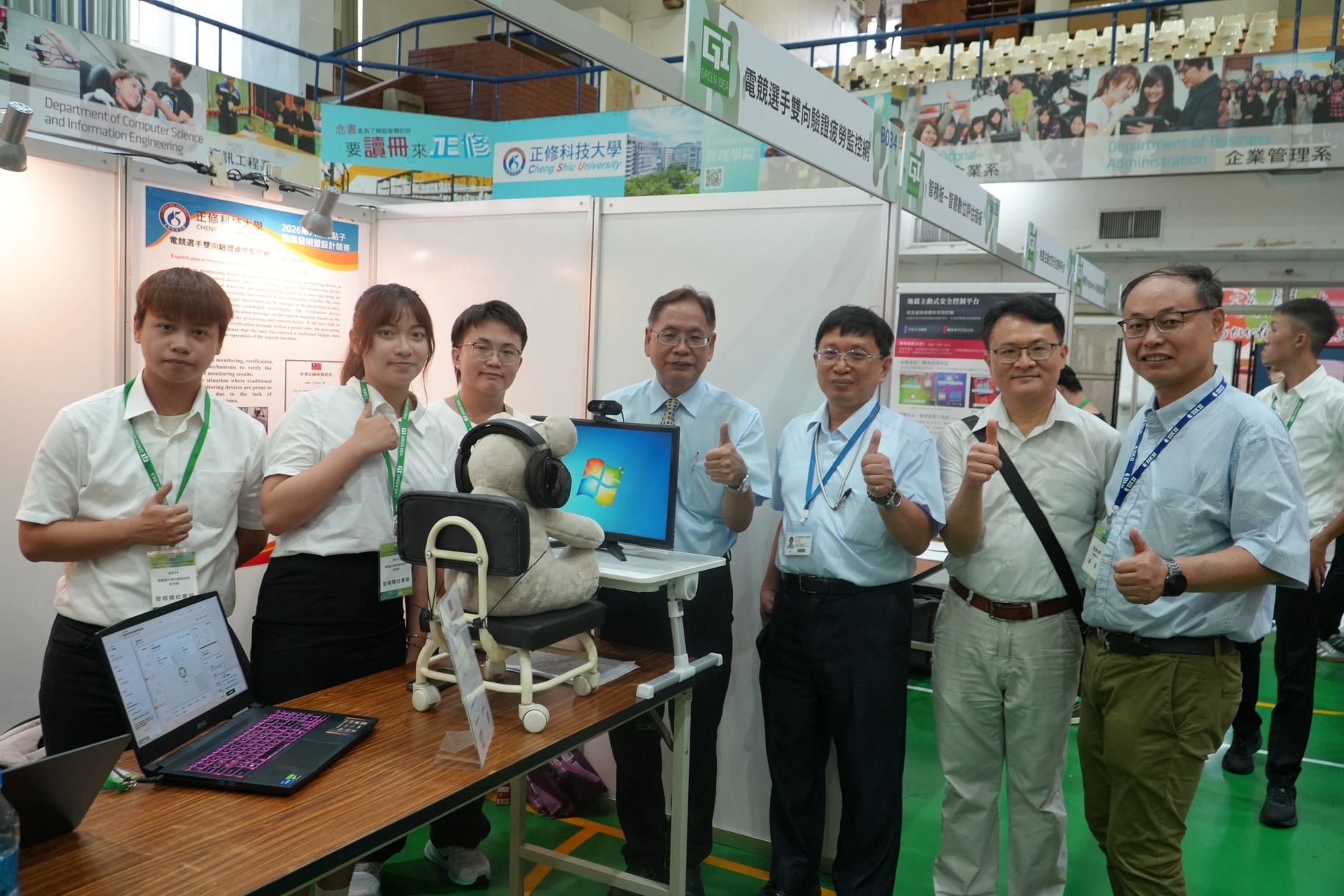
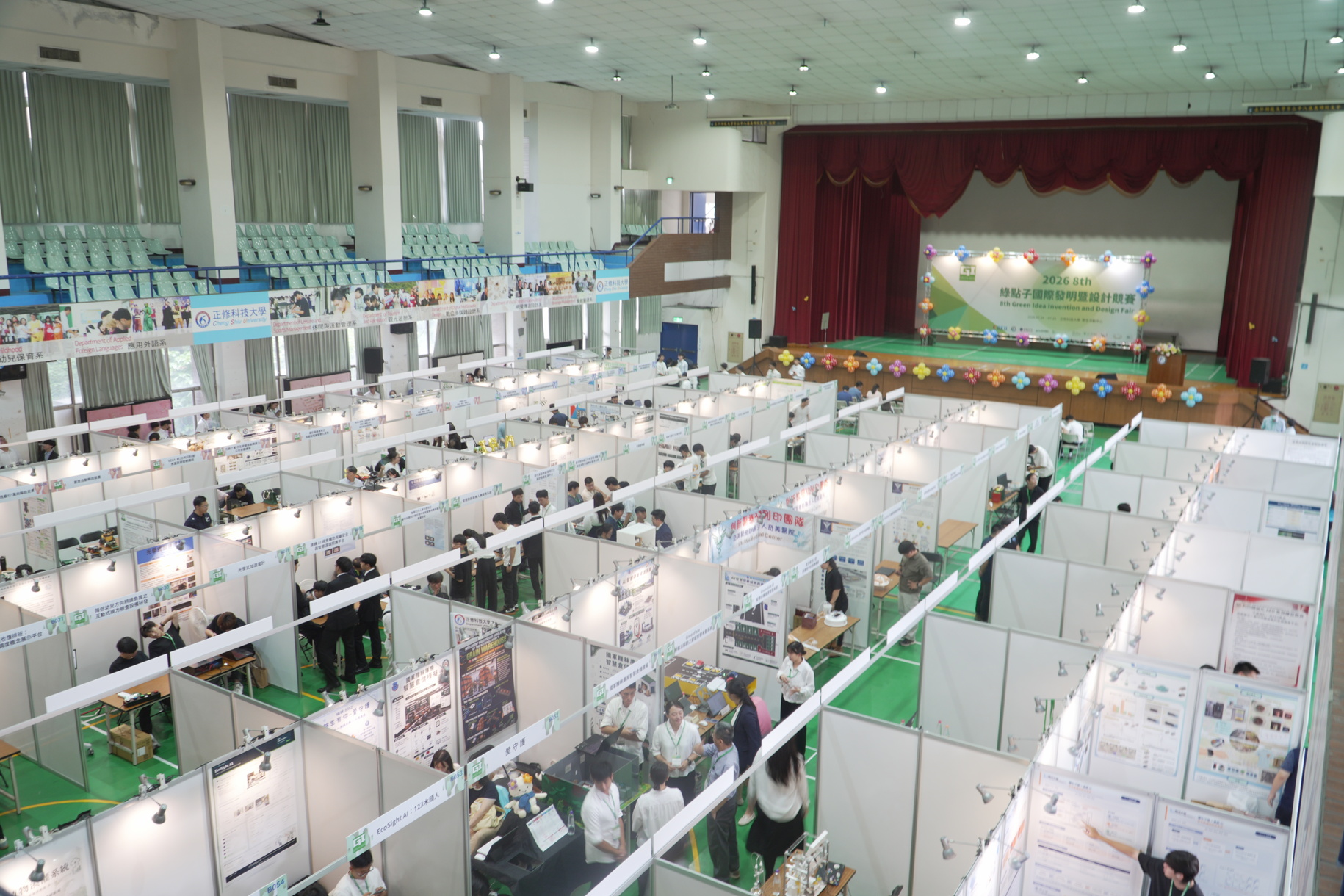
(CSU News) The 8th Green Idea International Invention and Design Competition, jointly organized by Cheng Shiu University and the International Invention Society, was held at the Cheng Shiu University Activity Center from July 24 to 25. This year, 191 teams from eight countries and regions, including Taiwan, Hong Kong, South Korea, Singapore, Thailand, Vietnam, Cambodia, and Indonesia, participated in the competition, presenting 191 innovative and practical projects that demonstrated Asia’s capabilities in innovative research, development, and design. The competition’s highest honor, the Grand Jury Award, was ultimately presented to a team led by Yu Hsiang Fu, Deputy Director of the Department of Pharmacy at Taoyuan General Hospital, Ministry of Health and Welfare.
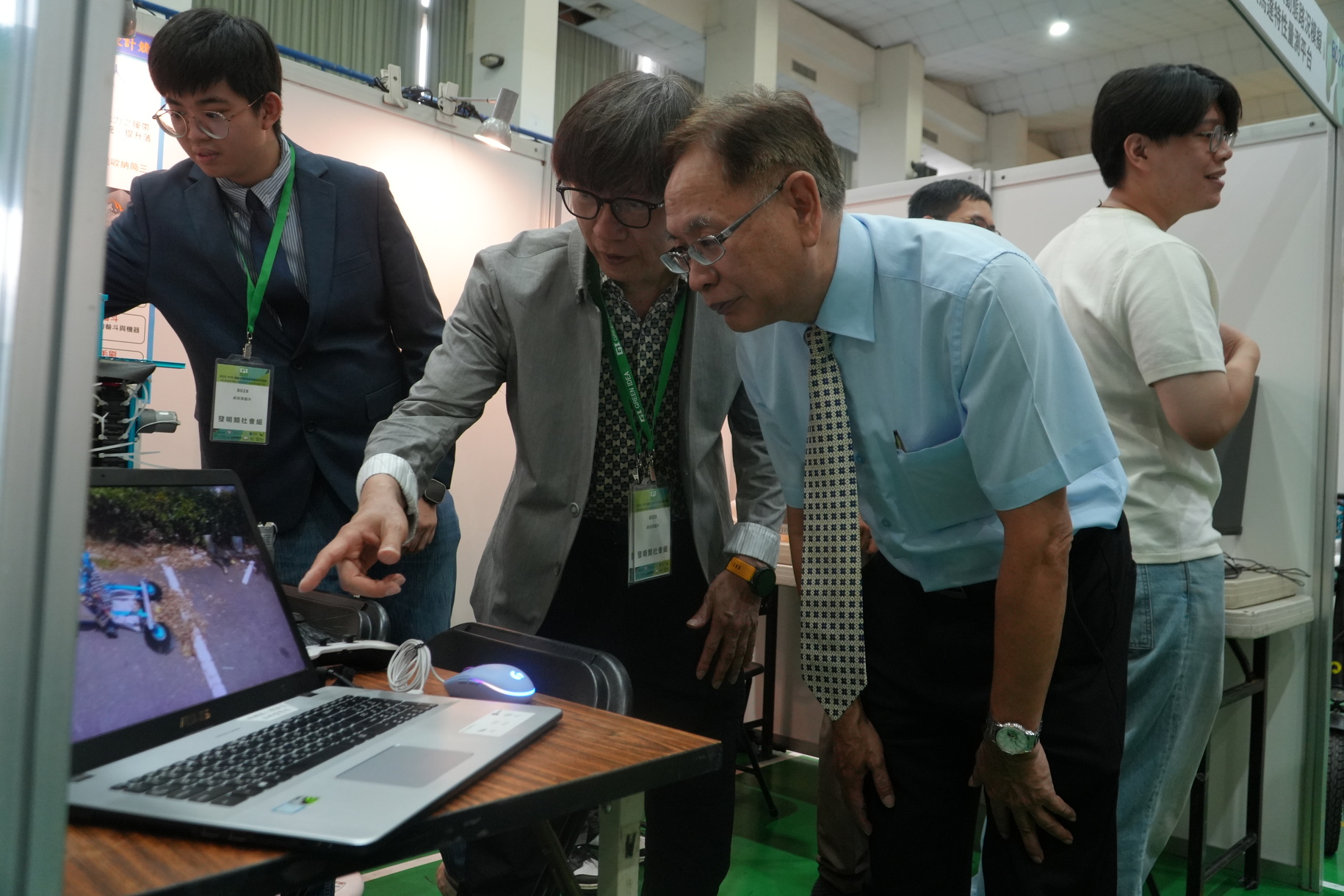
This year’s competition included 149 teams in the Open Invention Category, 21 teams in the Youth Invention Category, and 21 teams in the Design Category, for a total of 191 teams. The entries covered a wide range of fields, including artificial intelligence (AI), smart manufacturing, smart healthcare, intelligent control, green energy, net-zero carbon emissions, the Internet of Things (IoT), robotics, automation, smart agriculture, the circular economy, environmental sustainability, and innovative design. The projects highlighted recent advances in integrating technological innovation with sustainable development while reflecting global trends in digital transformation and ESG sustainability governance.
Vice President Po Wen Huang stated that after eight years of development, the Green Idea International Invention and Design Competition has developed into an major international platform for innovation exchange in Asia. Beyond providing young students with a platform to showcase their creativity and research achievements, the competition promotes interaction among faculty members and students from different countries and further strengthens international collaboration and technology sharing.
Cheng Fu Yang, President of the International Invention Society, stated that as artificial intelligence, smart technologies, and sustainable development continue to advance rapidly, interdisciplinary integration and international collaboration have become essential to innovation. He expressed the hope that all participants would value this opportunity for exchange, continue developing their professional expertise, and contribute further impetus to future technological advancement and industrial development.
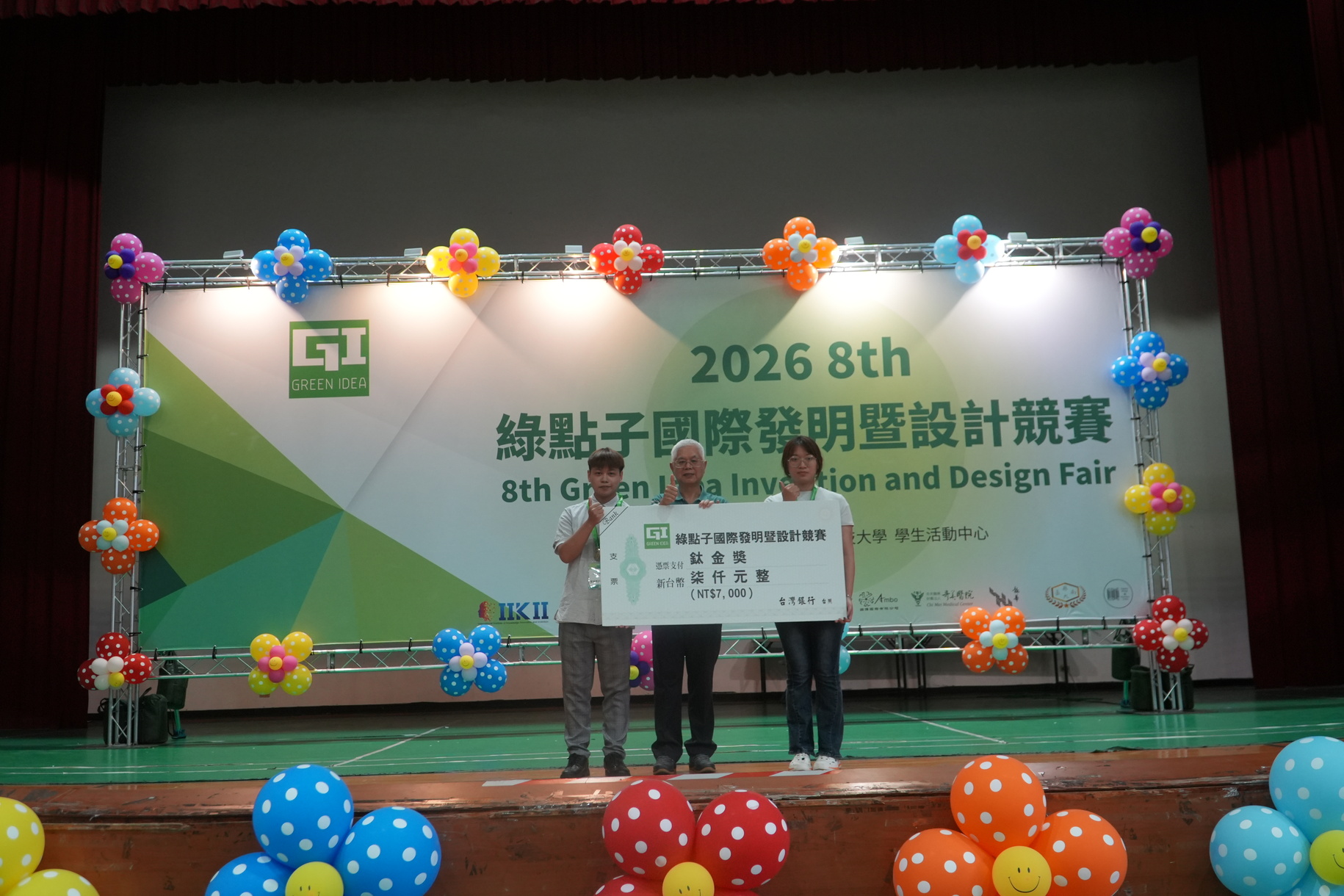
In addition to the competition’s highest honor, the Grand Jury Award, which carries a cash prize of NT$100,000, the competition also presented Platinum Awards with cash prizes of NT$7,000, as well as gold, silver, and bronze medals and international special awards. Through this wide-ranging award system, the competition encourages outstanding innovations to advance further while promoting technology commercialization, industrial application, and internationalization, thereby further strengthening Taiwan’s international competitiveness in innovative research and development.
Notably, the proportion of AI-related entries rose significantly this year. Applications included generative AI, AI image recognition, intelligent inspection, autonomous control, and intelligent decision-making systems. These projects demonstrated the innovative capabilities of young students and research teams in applying AI technologies to industrial and daily-life settings, giving this year’s competition an even stronger focus on future-oriented technologies.
Yu Hsiang Fu, whose project, “Taoyuan Medication Safety for Older Adults: An Interprofessional Smart Medication Safety and Sustainable Care Platform,” received the competition’s highest honor, the Grand Jury Award, stated that medication reduction cannot be accomplished by pharmacists alone. It often requires physical therapists to incorporate rehabilitation exercises, dietitians to adjust patients’ diets, and nurses to provide continuous care so that medication dosages can be reduced steadily. Fu emphasized that the honor resulted from the team’s long-term interdisciplinary communication and efforts, which successfully transformed smart education into clinical practice. The team will continue working to safeguard medication safety for older patients.