Cheng Shiu University Research Achievements Shine on the International Stage with 3 Gold Medals, 2 Silver Medals, and 2 Special Awards at the Archimedes International Invention Exhibition
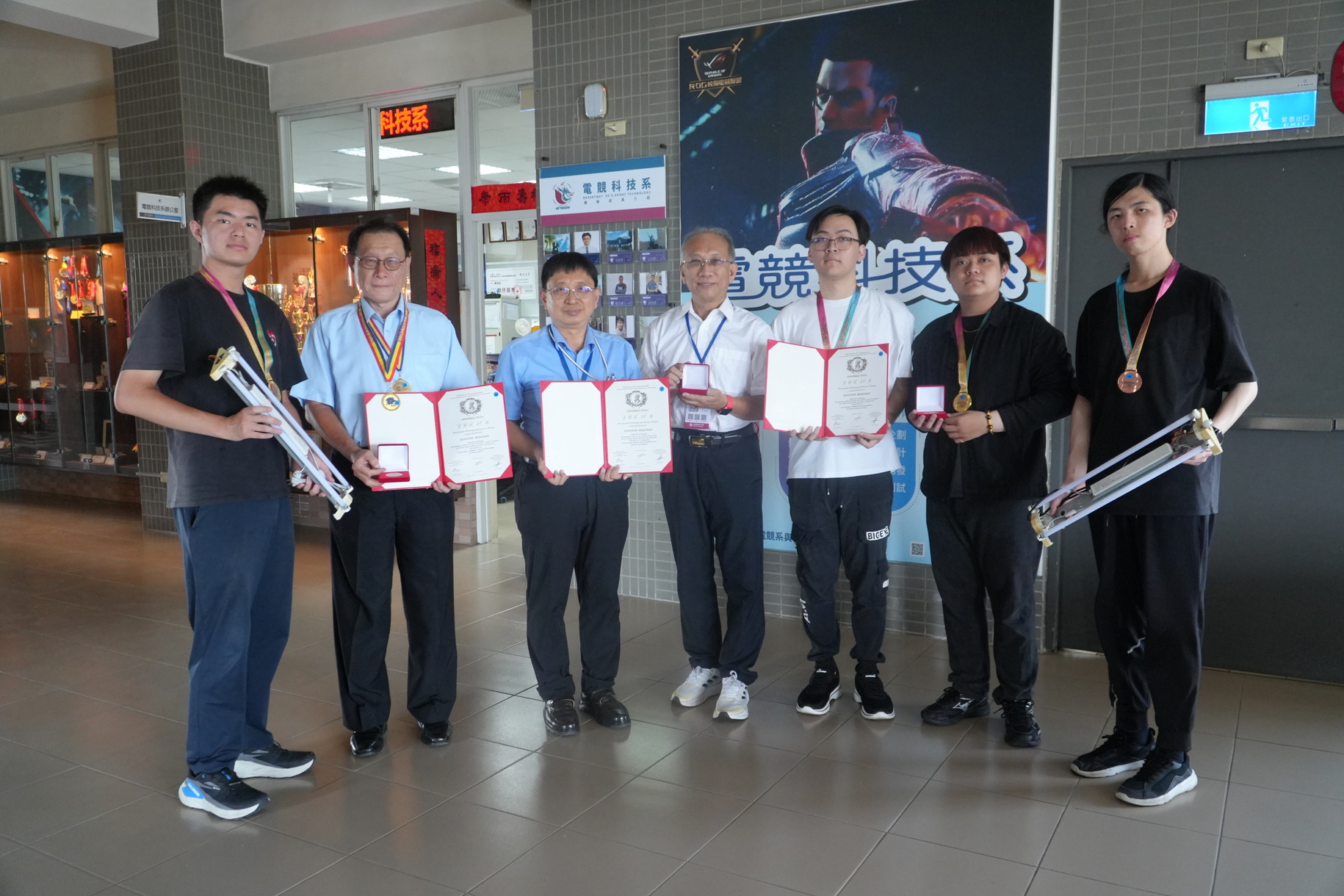
(CSU News) “Connecting innovative research and development with industry needs and bringing smart technology to the international stage.” Cheng Shiu University recently participated in the 2026 Archimedes International Invention Exhibition in Moscow, Russia, where it won three gold medals, two silver medals, and two special awards. The University’s innovations, ranging from smart manufacturing and IoT lighting to smart care, intelligent epidemic prevention, and traffic safety, received strong recognition from the international judges, demonstrating Cheng Shiu University’s robust research and development capabilities and interdisciplinary innovation.
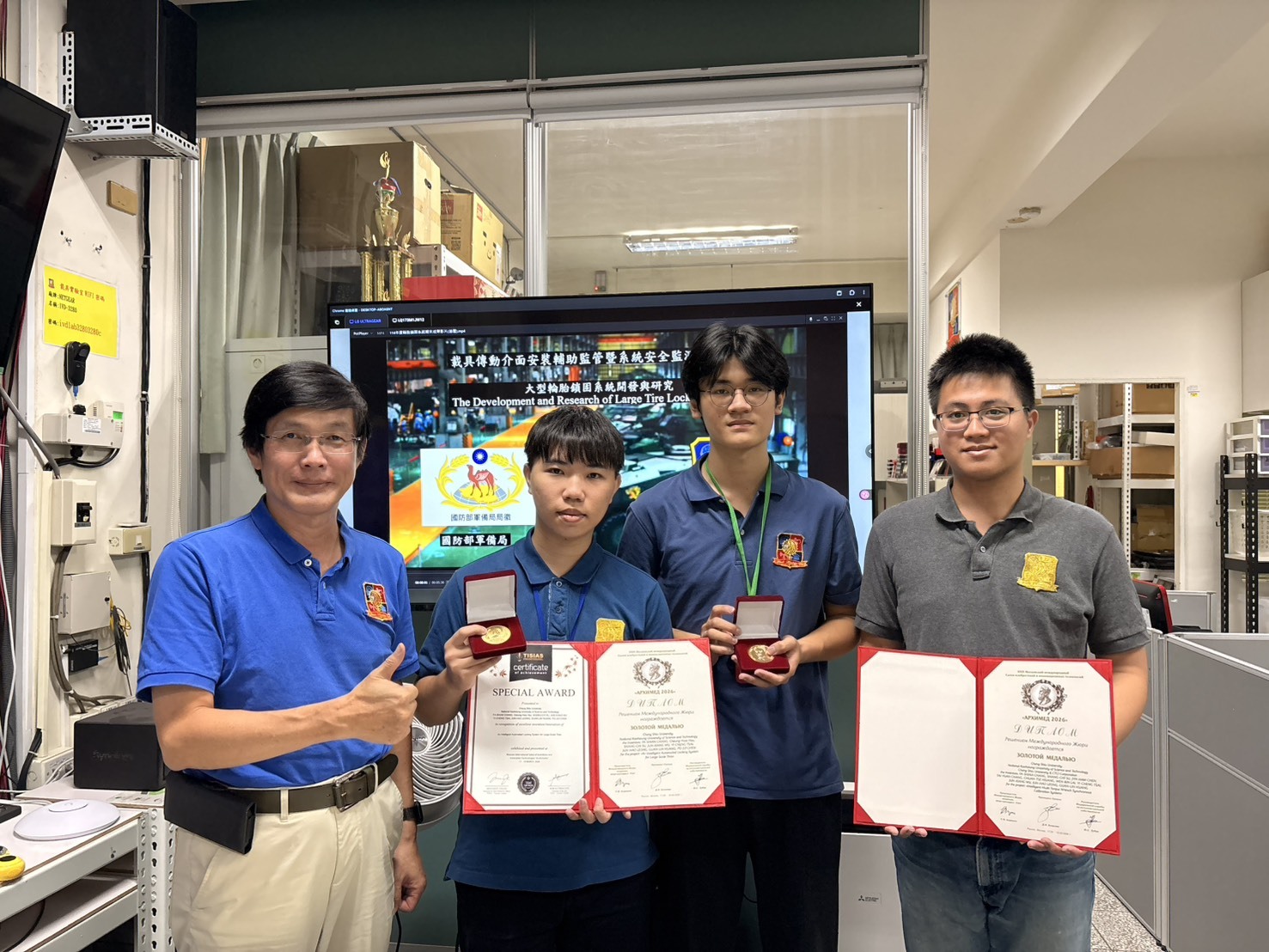
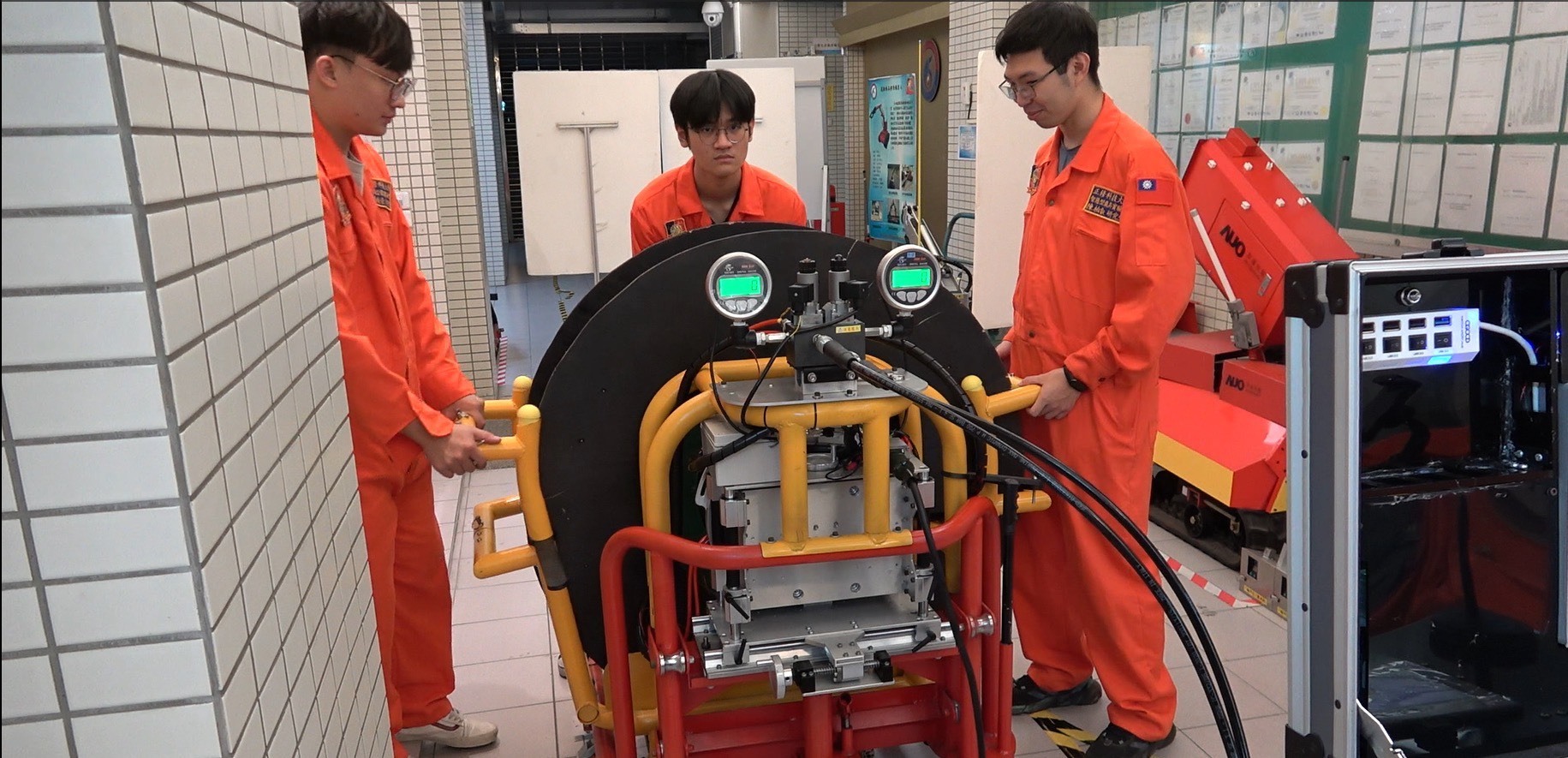
A faculty-student team led by Fa Hsien Chang from the Department of Electronic Engineering won a gold medal and a Special Award from Canada for its “Automated Intelligent Fastening System for Large Tires.” By integrating smart sensing with automated control technologies, the system substantially improves the efficiency and precision of tire fastening for large vehicles while offering strong potential for industrial application and commercialization. Professor Chang stated that the awards represented recognition of the team’s research achievements and that the team would continue to promote the real-world application of the technology. Chun Hsiang Wu, a second-year master’s student in the Department of Electronic Engineering, stated that he started with no prior experience after joining the team and progressively developed his research and practical skills under the guidance of his professor and senior students. The awards further reinforced his commitment to pursuing research and development.
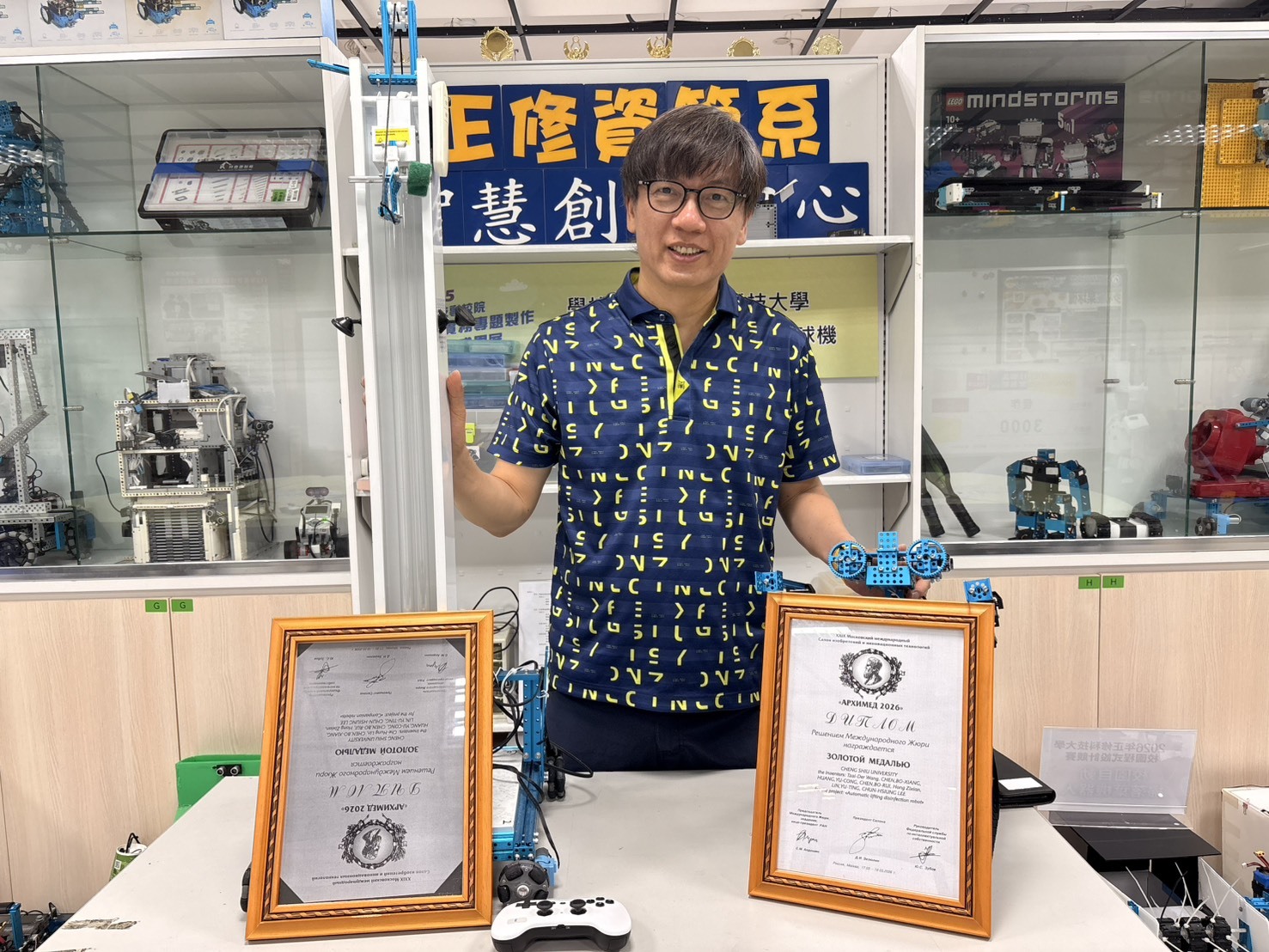
A faculty-student team led by Chun Hsiung Li and Tsai Te Wang from the Department of Information Management and the Department of Esports Technology Management won a gold medal and a Financial University Special Award for its “Automatic Lifting Disinfection Robot.” The robot combines automatic lifting and spraying functions with autonomous navigation, obstacle avoidance, and route planning. It can automatically adapt the disinfection height to suit different environments, thereby improving disinfection efficiency and reducing staffing requirements. Professor Li stated that the project originated from epidemic prevention needs and uses intelligent mobility and an automatic lifting design to enhance both disinfection efficiency and safety.
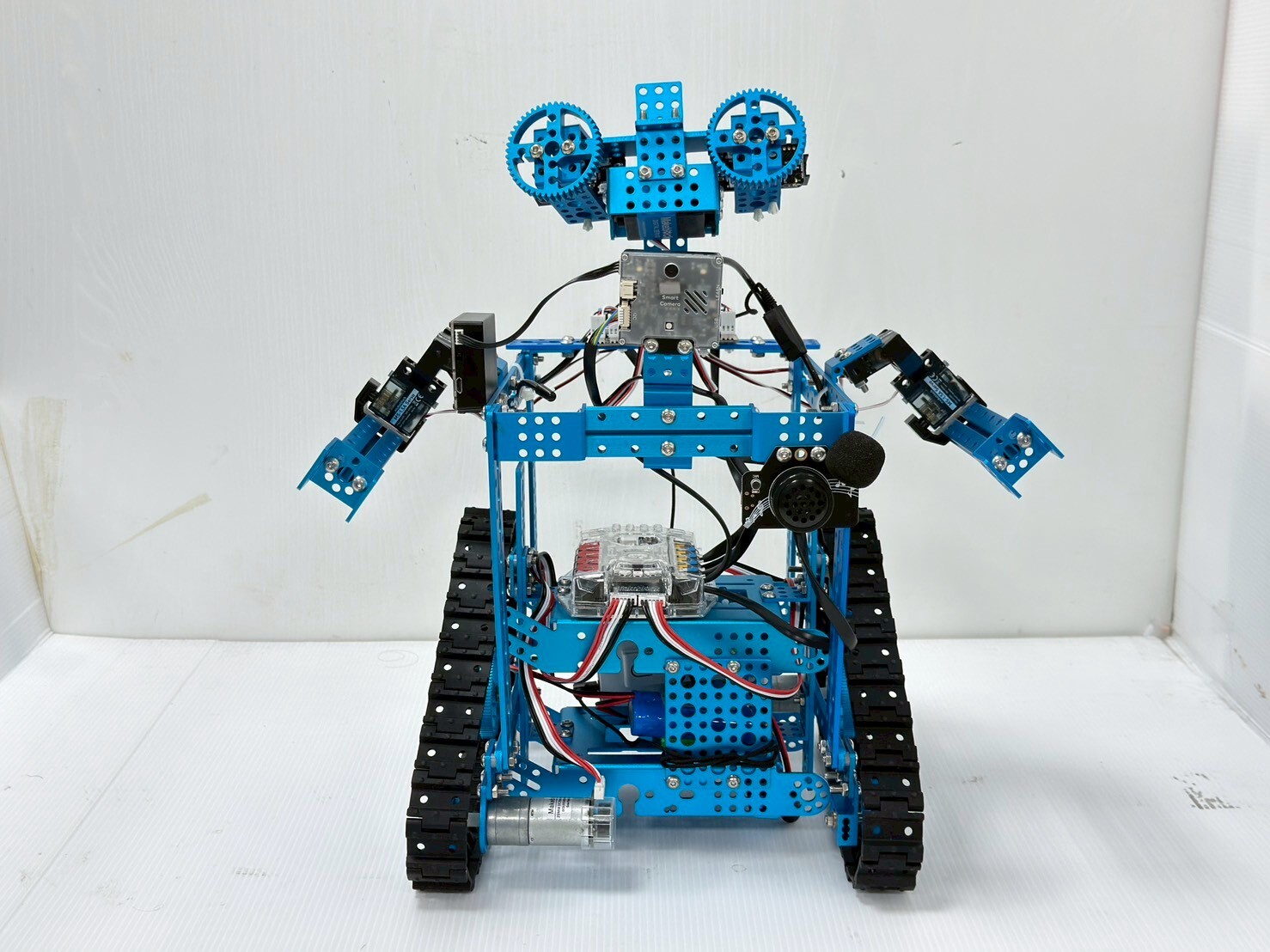
A faculty-student team led by Chun Hsiung Li and Che Hung Lin from the Department of Information Management won a gold medal for its “Companion Robot.” Inspired by the classic animated character WALL E, the robot integrates AI image recognition, voice interaction, and robotic control technologies. It provides interactive conversation, movement following, everyday reminders, and emotional companionship and can be applied to older adult care, educational companionship, and emotional support. Professor Li stated that the robot features a modular design that allows its appearance to be flexibly customized. The team will continue improving the robot’s AI interaction capabilities to broaden its potential applications in intelligent companionship.
The silver medal winning projects also delivered strong performances. A faculty-student team led by Chun Te Li from the Department of Esports Technology Management won a silver medal for its “Regional LED Control System.” Using low-cost wireless and Internet of Things technologies, the team developed a smart lighting control system that automatically adapts lighting brightness according to the flow of people in different areas. The system also incorporates cloud-based management to effectively reduce unnecessary energy use. Professor Li stated that the team began with the need to conserve energy in lighting and integrated multiple technologies to develop a smart lighting solution. The award recognized the team’s research achievements and encouraged its continued development of smart energy conservation and green technology applications.
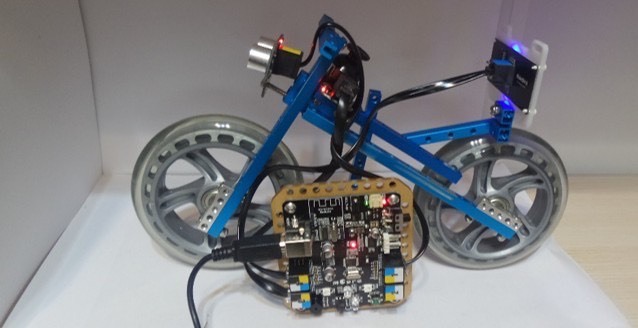
Another silver medal winning project, the “Intelligent Bicycle Safety System,” was developed by a faculty-student team led by Cheng Hung Tsai and Chun Hsiung Li from the Department of Business Administration and the Department of Information Management. The system integrates ultrasonic sensors, a gyroscope, photosensitive components, and LED lighting modules. Its functions include rear vehicle detection, blind-spot warnings, turn signals, brake warnings, and anti-theft alarms, which improve bicycle riding safety. Associate Professor Tsai stated that the project originated from observations of everyday life. Concern for children’s bicycle safety prompted the team to integrate sensing technologies from the Department of Information Management and collaboratively develop an intelligent safety system for everyday use.